Community
New to Canberra? Here's What 5,000+ Arrivals Skip
Suburbs, schools, jobs—plus the surprises that catch newcomers off guard. Your practical Canberra relocation guide.
2 min read
Updated 3 h ago
Community
Suburbs, schools, jobs—plus the surprises that catch newcomers off guard. Your practical Canberra relocation guide.
2 min read
Updated 3 h ago
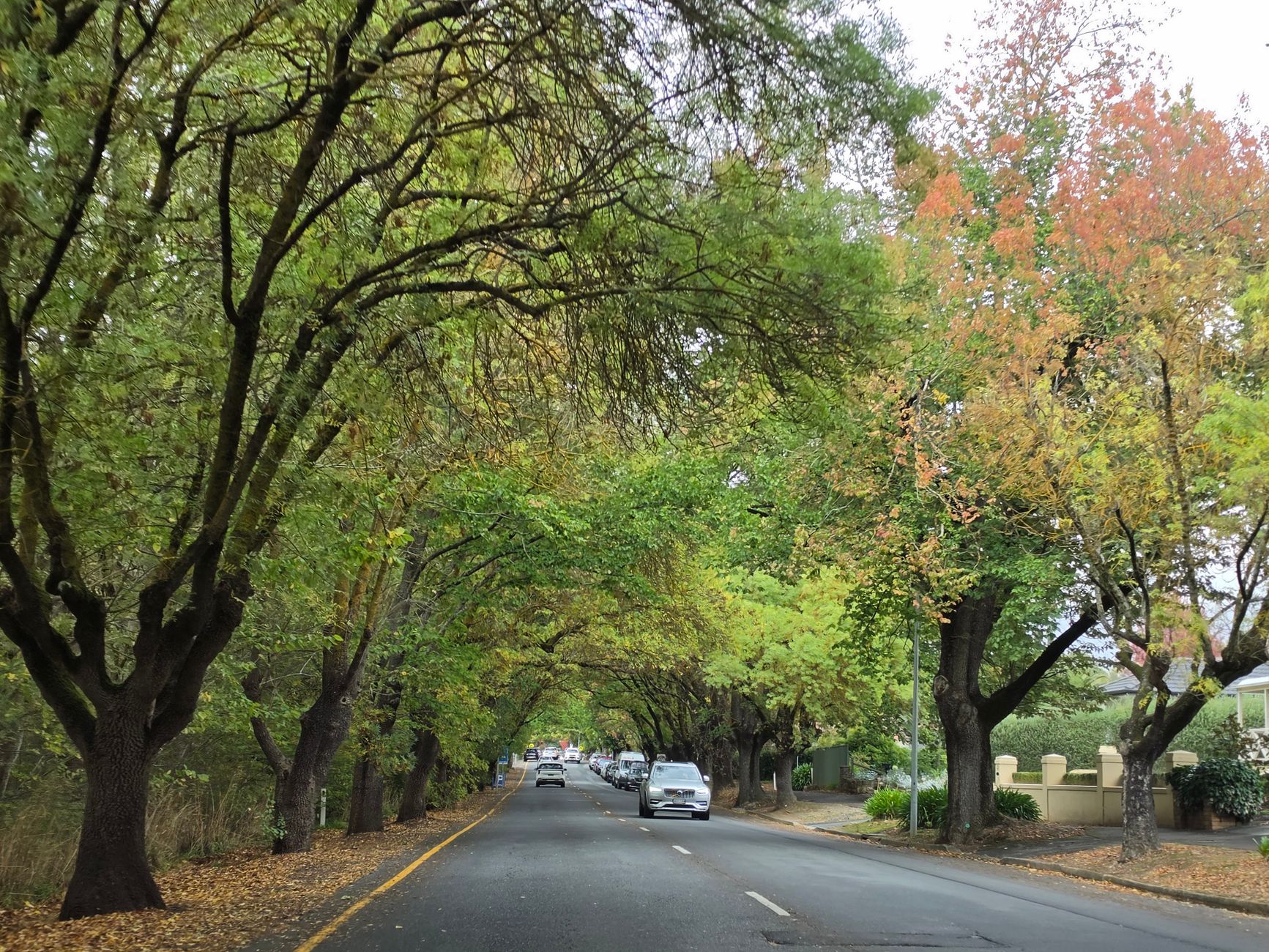
Moving to Canberra surprises most people who have absorbed the interstate stereotype of a cold, quiet public service city. The reality is a compact, well-planned national capital with outstanding parks and reserves, genuinely world-class cultural institutions (the NGA, the War Memorial, Questacon), a food scene that punches well above its weight, and a community that is younger, more educated, and more cosmopolitan than any Australian city outside Sydney and Melbourne.
Where to live — Canberra is organised around town centres, each with their own character. Braddon is the inner-city cafe and restaurant precinct for young professionals. Kingston Foreshore combines waterfront dining with architecturally interesting apartments. Griffith and Narrabundah offer established inner suburbs with large blocks and mature trees. Belconnen and Gungahlin are the growth-corridor town centres with newer housing and excellent civic amenity. Weston Creek and Tuggeranong suit families seeking space and value.
Getting around — a car remains useful in Canberra but the light rail from Gungahlin to the City, and the planned extension to Woden, makes the north-south corridor genuinely transit-accessible. The city's network of off-road cycling paths is one of Australia's best, connecting most suburbs to the city centre safely.
Schools — the ACT public school system consistently outperforms the national average. The selective Canberra High School and Lyneham High School drawing zones attract families. Private options include Canberra Grammar, Merici College, Marist College, and St Francis Xavier College.
Jobs — the Australian Public Service is the dominant employer, but the defence, technology, health, and university sectors provide diversified employment. APS graduate programs are the primary entry point for new graduates.
What surprises people — the cold winters (regularly reaching -5 to -7 degrees Celsius at night from June to August) are the most common adjustment. Proper insulation, reverse-cycle heating, and heavy bedding are non-negotiable investments for new arrivals.
This article was compiled by AI and screened before publishing. See our editorial standards.
About this article
Published by The Daily Canberra
Spread the word
Daily brief
Free, in your inbox before 7am. Weekdays.
The Daily Network — local news across Australia