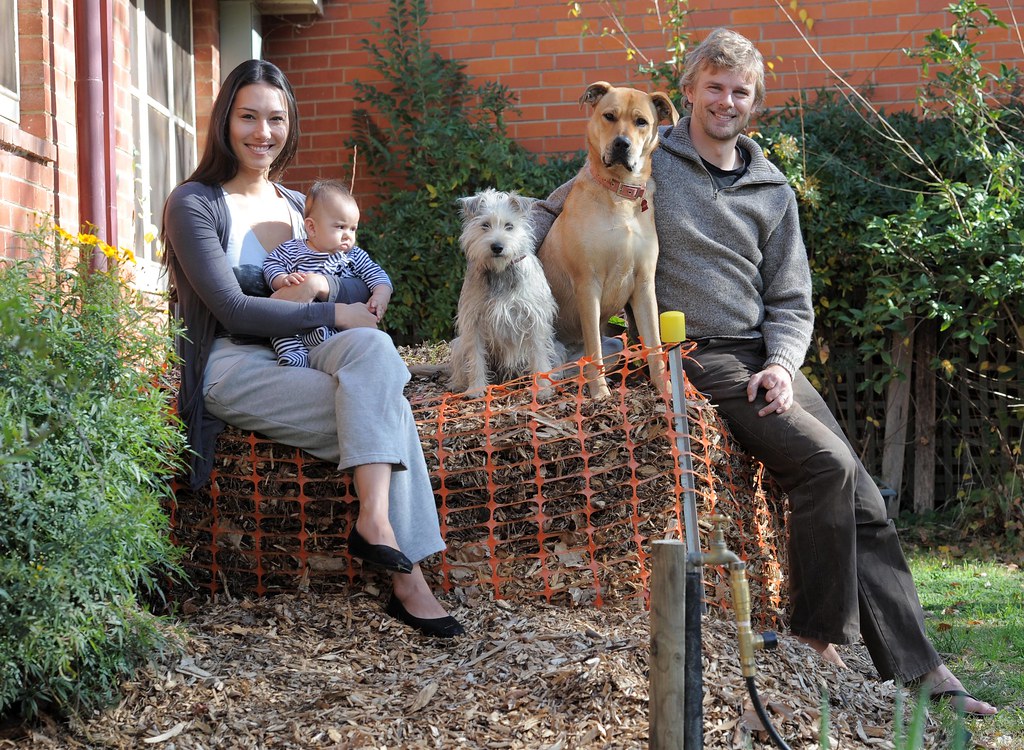
Residents of Dickson are spearheading a shift toward more sustainable living practices, reflecting Canberra’s broader commitment to environmental responsibility. The inner-north suburb has seen a surge in community gardens, solar panel installations, and waste reduction programs this year, illustrating a tangible shift in local lifestyle habits.
As the ACT government intensifies its push for net zero emissions by 2045, neighbourhoods like Dickson have become experimental grounds for sustainable urban living. This matters now because Canberra’s population is growing-estimated to hit 520,000 by 2030-and the city must find ways to meet demand without escalating environmental impact. Initiatives at the grassroots level complement policy shifts, demonstrating how communities can adapt in real-time.
Green Initiatives Taking Root
At the heart of Dickson’s evolution is the Dickson Community Garden, a project managed by local nonprofit Greening Australia ACT. Situated on Cowper Street, the garden now supports over 50 households who grow organic vegetables, herbs, and fruit, reducing food miles and packaging waste. It has doubled in size over the past two years, with volunteers meeting weekly to maintain plots and host sustainability workshops.
Nearby, residents have embraced the ACT Solar Hub, housed at the Dickson Library on Challis Street, which offers free consultations on home solar panel installation and energy-efficient home upgrades. Since its opening in late 2025, the hub has helped more than 200 households access rebates and low-interest loans. This has contributed to a 15% increase in solar adoption rates in Dickson compared to Canberra’s average 7% growth in solar installations during the same period.
Waste reduction programs are also gaining momentum. The local branch of the Canberra Environment Centre runs fortnightly repair cafés and zero-waste workshops at the Dickson Community Centre, encouraging residents to extend product life cycles and reduce landfill contributions.
Numbers Reflect Growing Commitment
According to a 2026 survey conducted by the ACT Sustainable Living Network, 68% of Dickson residents have implemented at least one significant sustainable practice in their homes, up from 42% in 2023. Average household energy consumption has dropped by 10% in the suburb over the last three years, partly thanks to solar uptake and smarter energy use promoted by local programs.
Financially, solar panel installations in Dickson have become more accessible, with government rebates of up to $4,500 and new supplier competition pushing the average installation cost from $7,000 in 2024 down to $5,200 in mid-2026. The energy savings often offset this investment within five years.
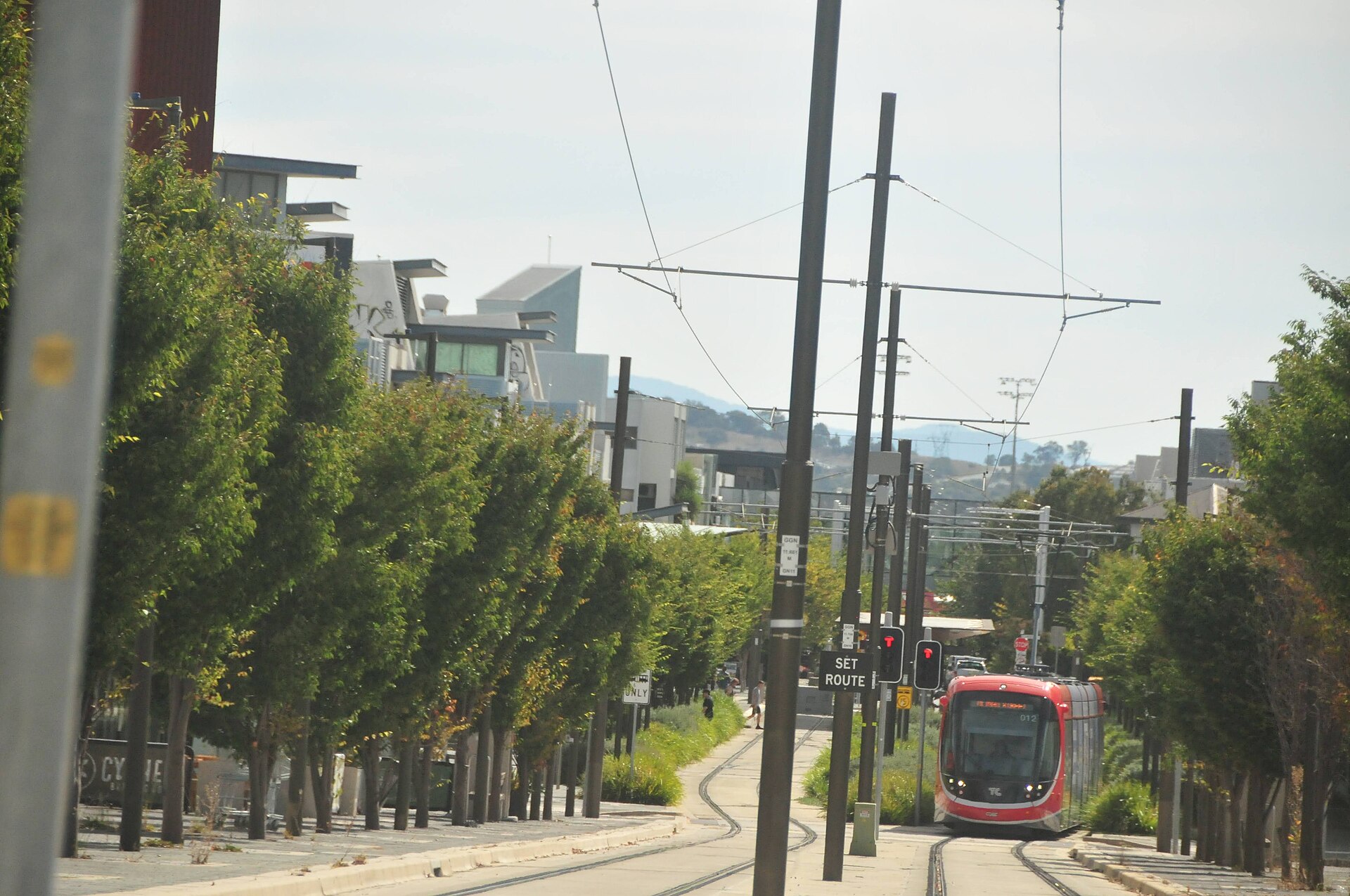
Public transport use has risen as well, with ACTION bus routes 5 and 6 enhanced to connect Dickson residents with Canberra’s central business district more rapidly and frequently, encouraging fewer car journeys.
Next Steps for Dickson and Canberra
The transformation underway in Dickson offers practical lessons for other Canberra suburbs. Residents interested in adopting greener habits are encouraged to visit the Dickson Community Garden for workshops held every second Saturday and to use resources at the ACT Solar Hub. Local councils are also promoting incentives for water-efficient gardens and electric vehicle chargers in residential areas.
As Canberra approaches winter, initiatives focusing on energy efficiency in heating, such as subsidised insulation upgrades, will likely accelerate. The intersection of community-led efforts and government support in Dickson highlights how neighbourhoods can evolve sustainably, balancing convenience, cost, and climate action.
For Canberrans, the path to sustainable living is no longer abstract. It’s happening in streets like Cowper and Challis, changing everyday habits and embedding environmental responsibility into local identity.
Sources Include (But not Limited to)
Source material used in preparing this article is listed below so readers can check the original record.