Canberra's Unique Urban Design Sets It Apart From World Capitals
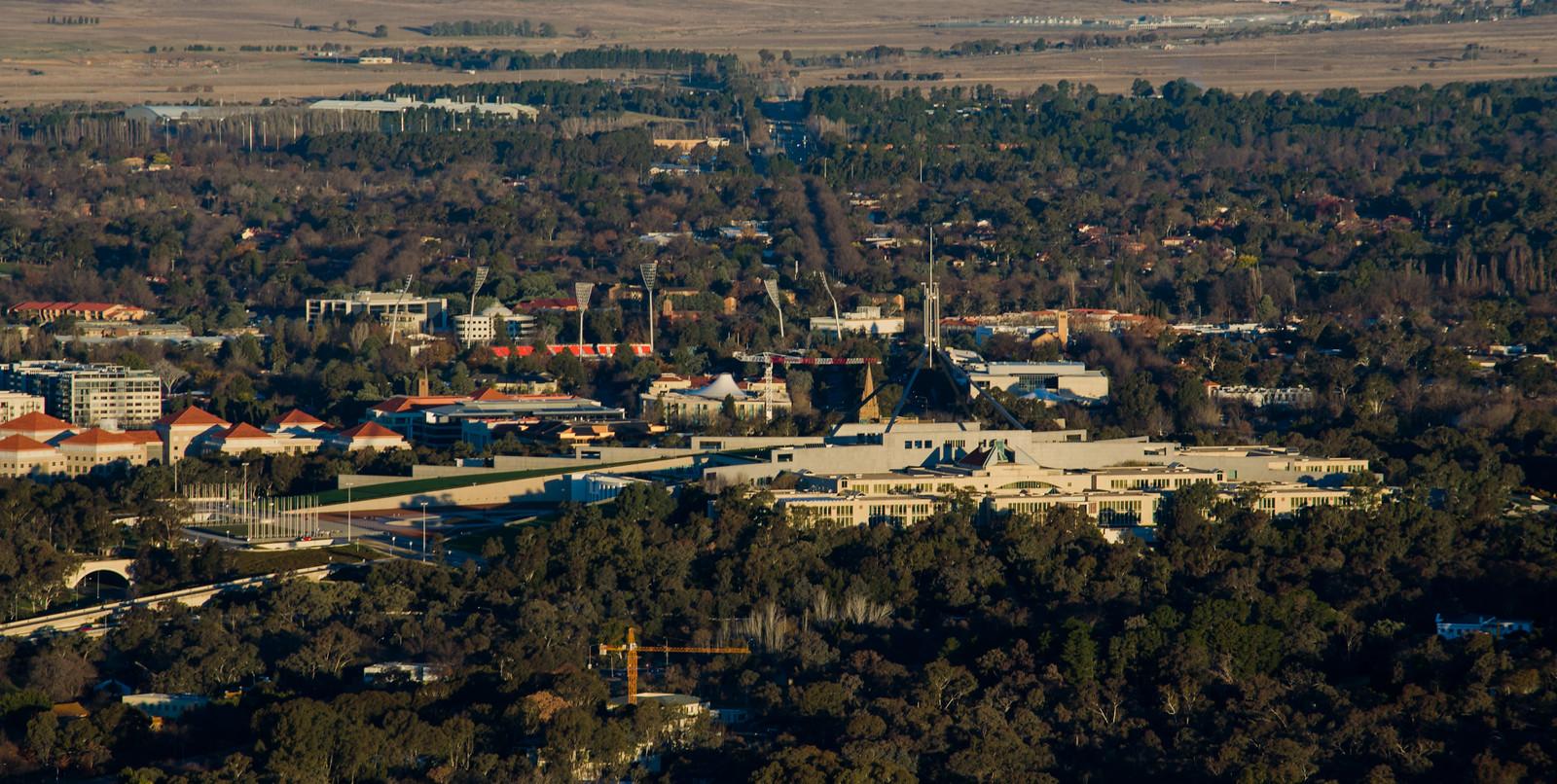
While other capitals chase neon lights and density, Canberra’s deliberate synthesis of bushland and bureaucracy has matured into a distinct global anomaly.
AI may assist with research, summarising and drafting. Where public source links underpin the article, they are shown below. Sensitive material is held for human review, and people oversee the standards and corrections process. The Daily Canberra covers Canberra news. It is provided for general information only and is not professional, legal, financial, or medical advice. Read our editorial standards →
Canberra enters the second half of 2026 with a population crossing the 470,000 threshold, solidifying its reputation as a capital that prioritizes landscape over skyline. Data from the Australian Bureau of Statistics confirms the city continues to record steady growth in the Inner North, yet the capital’s defining characteristic remains its resistance to the frantic verticality seen in Singapore or London. Instead, the city’s identity is increasingly forged by the integration of native corridors into daily transit, a model that remains a stark outlier in urban planning.
The Intersection of Ecology and Governance
Walk through the corridors of the Parliamentary Triangle and you are never more than a five-minute drive from a nature reserve. At the National Arboretum Canberra, the 250-hectare site serves not just as a tourist destination, but as a living laboratory for international silviculture, showcasing species that are elsewhere extinct in the wild. This intentional proximity to untamed scrubland is why Canberra maintains a biodiversity footprint higher than any other city of its size in the OECD. Residents frequently cite the ease of access to the Mount Majura Nature Reserve as a primary reason for the capital’s retention rates among young professionals.
A Maturing Cultural Ecosystem
Beyond the civic architecture, the city’s lifestyle scene has shifted from a government-centric model to an independent cultural hub. The revitalisation of the Dairy Road precinct in Fyshwick has turned former industrial warehouses into a crucible for local distillers and artists, challenging the perception of the city as a one-dimensional office town. According to the 2026 Canberra Business Chamber economic report, the arts and hospitality sectors in the Inner South saw a 4.2 percent uptick in revenue during the June quarter alone, bucking the national trend of cooling consumer confidence.
Economic stability continues to attract a diverse demographic, though the cost of living remains a pressing topic for local councils. As of July 2026, the median house price in the ACT sits at approximately $920,000, creating a significant barrier for first-home buyers even as the rental vacancy rate hovers at a tight 1.8 percent. The government’s ongoing commitment to the Light Rail Stage 2A project-connecting the city centre to Commonwealth Park-serves as the next major test for the city’s infrastructure capacity.
Looking ahead, the city’s unique character will likely face new pressures as density requirements increase. Residents looking to engage with these changes should monitor the upcoming public consultation meetings scheduled for August at the Canberra Museum and Gallery. Whether the capital can balance its ‘bush city’ ethos with the demands of a larger population will dictate the next decade of local development. For now, the city’s distinct reliance on its green veins remains the strongest point of difference against a global backdrop of homogenised urban sprawl.
Covering lifestyle in Canberra. This article was generated by AI from the linked sources, under human oversight and our editorial standards. Sensitive material is held for human review before publication. See our editorial standards.
Spread the word
Share
Daily brief
Enjoyed this? Wake up to Canberra news every morning.