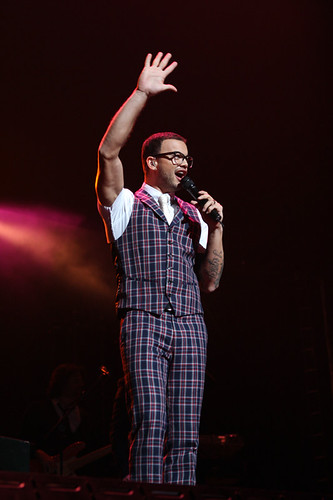
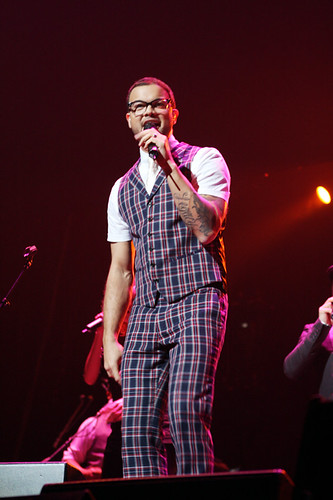
Wild Gods’ newest album, The Glorious Abysmal, launched last week to critical acclaim in the Sydney indie scene, is a sonic journey rooted in local creativity and a fervent do-it-yourself spirit. The record’s mix of folk-tinted melodies and psychedelic soundscapes traces back to the working-class neighbourhoods of Redfern and Marrickville, where the band members first forged their collaboration amid a flourishing grassroots arts culture.
In 2026, Australia’s music industry faces a surge in independent artists turning toward hybrid genres, blending traditional folk with avant-garde influences. Wild Gods encapsulates this trend, bringing a distinct voice that challenges mainstream pop formulas and reflects a wider appetite for authentic storytelling in music. The timing of their album’s release coincides with the reopening of small live venues post-COVID restrictions, signalling a revival for intimate gigs and underground music hubs.
From Redfern’s backyard to Marrickville’s studios
The people behind The Glorious Abysmal share a history steeped in the shelves of local record stores like Red Eye Records on King Street, Newtown, and grassroots collectives such as the Marrickville Arts Precinct. Lead vocalist and lyricist James Avery began songwriting as a teenager inspired by acoustic sessions held at the Tank Stream Hotel in the city's Inner West, where the band later debuted their live show in early 2025.
Producer Emily Tran, whose family settled in Redfern in the 1990s, contributed to the record’s layered textures with her expertise in analogue synths and tape loops, sourced from community gear-sharing programs organised through the Sydney Music Network. The interconnectedness of these creative spaces, aided by locals’ support for cooperative workshops and artist residencies, allowed the band to experiment without constraints.
Data underpins a flourishing indie scene
According to a recent report by the Australia Council for the Arts, independent artists increased live performance numbers by 23% in Sydney during the first quarter of 2026, bolstered by venues with capacities below 200. Tickets for Wild Gods’ album launch show sold out within hours at 1989, one of Marrickville’s boutique music venues, with prices ranging from $30 to $40. This affordability contrasts with larger arenas, demonstrating audience appetite for accessible cultural experiences.
Streaming data shows Wild Gods accumulating over 500,000 plays in Australia in the first week post-release, marking them as a rising force in the national alternative music landscape. Their presence in community radio rotations and digital playlists curated by Sydney-based platforms like FBi Radio have further amplified their reach.
Looking ahead, Wild Gods plan a limited national tour focusing on smaller venues in New South Wales and Victoria, maintaining a grassroots ethos. Aspiring musicians can find inspiration in their path, with Sydney’s contemporary cultural institutions offering programs such as the CreateNSW Music Development Fund, which supports emerging artists with grants for equipment and touring.
The album itself stands as a document of a scene defined by collaboration, modest resources, and a thirst for innovation, proving that sometimes the most captivating art emerges from the fringes rather than the mainstream.
Sources Include (But not Limited to)
Source material used in preparing this article is listed below so readers can check the original record.