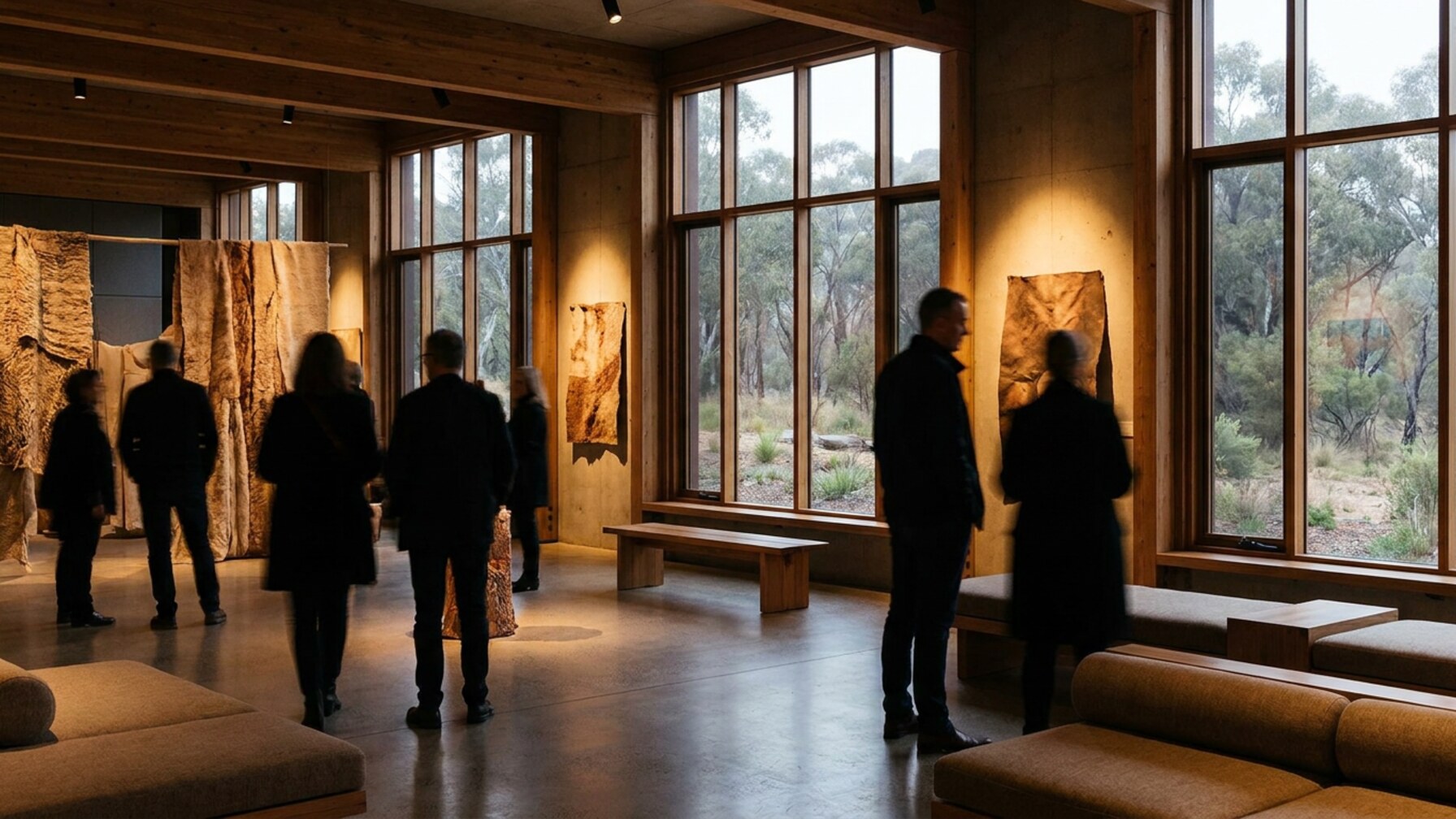
Canberra book clubs and public readings continue to operate as regular meeting points for locals and visitors interested in current titles.
The timing aligns with national coverage of new Australian fiction, including Andrew Upton's latest novel discussed in interviews published this month. Readers here often reference such releases during group sessions that focus on contemporary work rather than established classics alone.
Practical details for visitors
Most clubs meet in established neighbourhoods with easy public transport access. Sessions typically last between one and two hours and follow formats that range from open discussion to author-led readings when schedules allow. Visitors should check current listings through local libraries or community noticeboards before arriving, as participation rules vary by group and some require advance registration.
Venues range from smaller independent spaces to larger civic halls. Evening events tend to draw working professionals, while daytime groups attract a broader mix of ages. No single club dominates; instead, several operate in parallel with different thematic focuses such as fiction, biography or translated works.
Highlights worth planning around
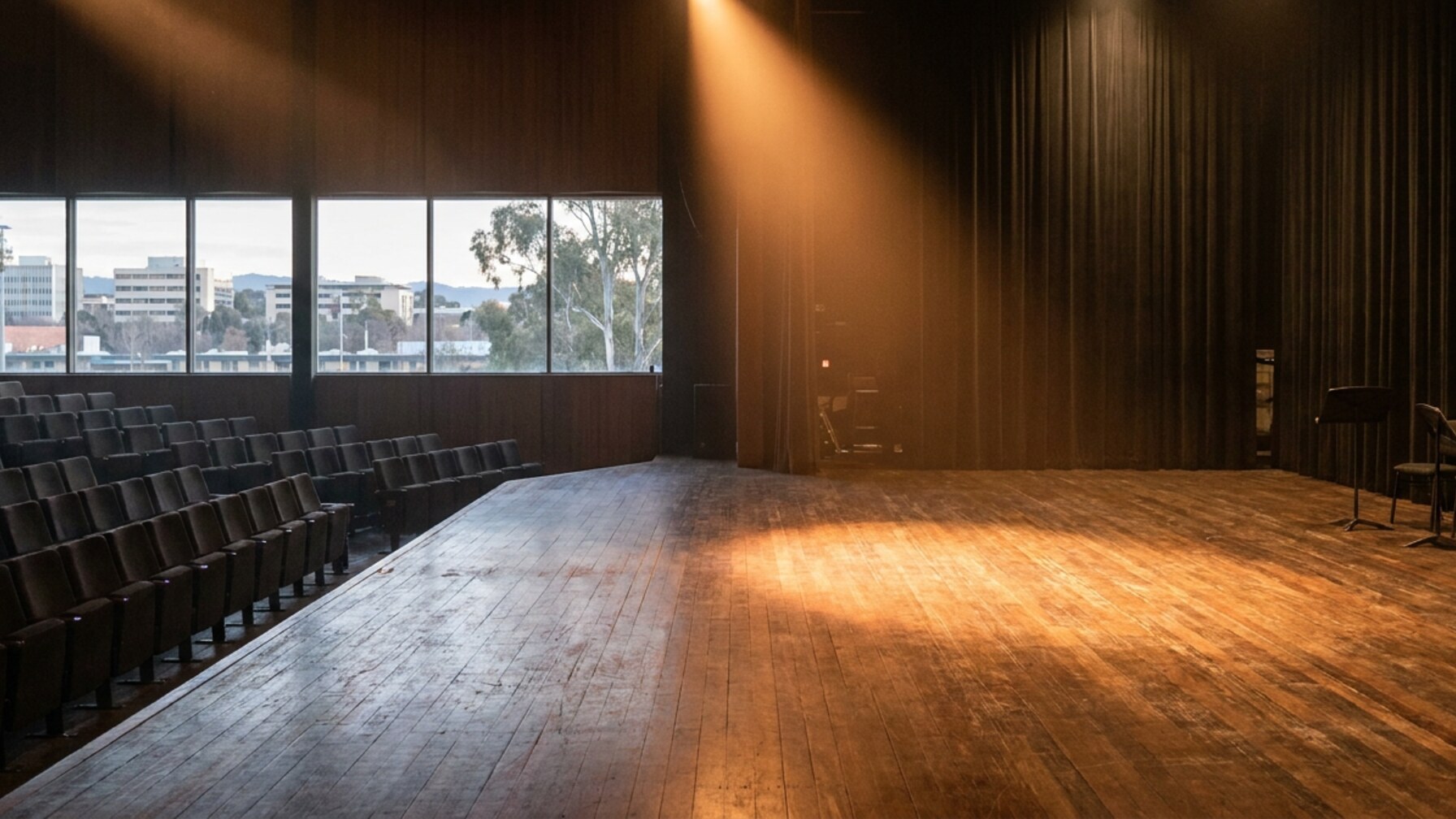
Public readings provide the most immediate entry point for short-term visitors. These events occur in established cultural buildings and often feature local writers alongside visiting authors. The format usually includes a short passage read aloud followed by audience questions, keeping the emphasis on the text rather than performance.
Book clubs themselves remain largely volunteer-run and informal. Participants bring their own copies of the selected title, and conversation stays grounded in the book rather than external commentary. Visitors who attend once can usually return without commitment, though regular members sometimes organise follow-up social events outside the main meeting.
Advance preparation helps. Reading the current selection beforehand allows fuller participation, and checking any stated accessibility notes avoids last-minute issues. Canberra's layout means most central gatherings sit within walking distance of transport hubs, reducing the need for additional travel planning.
Overall the scene rewards those who treat it as an extension of the city's standard cultural offerings rather than a specialised circuit. Regular attendance patterns show steady but not overwhelming numbers, leaving room for newcomers at most sessions.