Culture
From Drive-Ins to Digital Screens: The History and Evolution of Canberra’s Film Scene
Tracing Canberra’s journey from its early cinema halls to today’s vibrant multiplexes and indie film festivals.
3 min read
Culture
Tracing Canberra’s journey from its early cinema halls to today’s vibrant multiplexes and indie film festivals.
3 min read
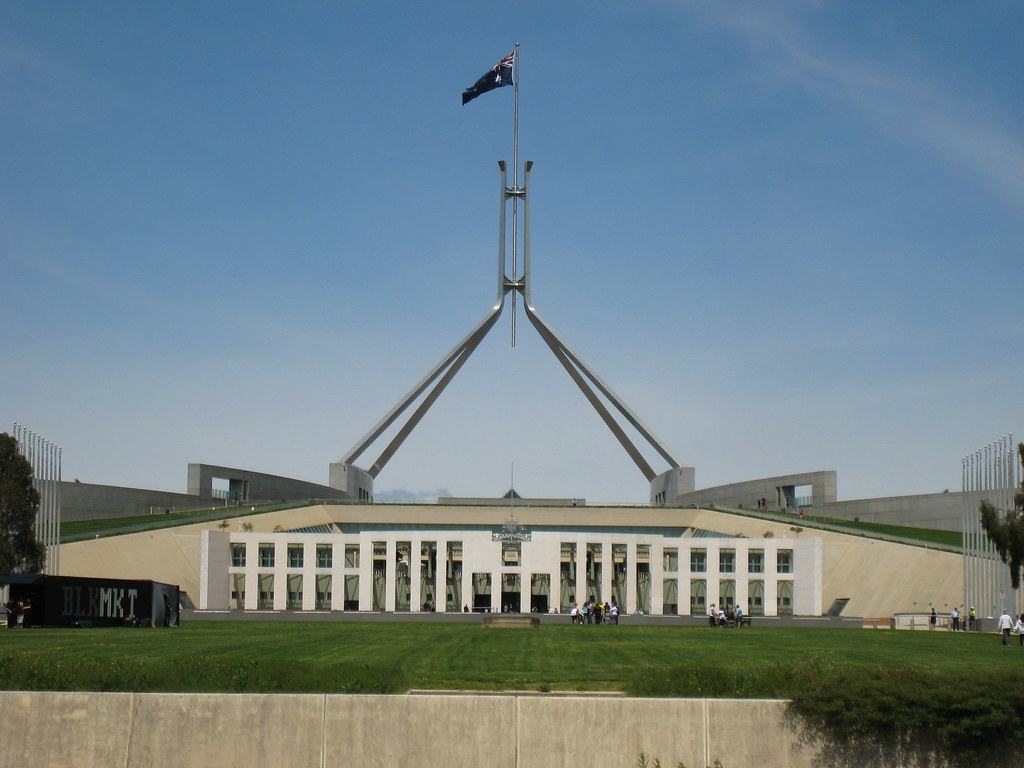
Once home to tin-can outdoor screenings, Canberra’s film scene has transformed dramatically over the past century, reflecting broader social and technological shifts. From the first purpose-built picture theatres in the 1920s to the cutting-edge digital cinemas and festivals that now define the local cultural fabric, the evolution of cinema in the city offers a window into Canberra’s changing identity.
Cinema in Canberra began modestly in the 1920s with the establishment of the Prince of Wales Theatre on West Row. It was the city’s first dedicated picture theatre, catering to a small but growing population eager for the new medium of motion pictures. By the mid-20th century, venues like the Capitol Theatre on London Circuit and the Majestic on Northbourne Avenue had become key cultural hubs, screening everything from Hollywood blockbusters to Australian arthouse films.
The post-war expansion of the city led to suburban drive-in theatres such as the Woden Drive-In, opened in 1966, providing family-focused entertainment options. The drive-in scene thrived through the 1970s, reflecting both the car culture of the time and the demand for leisure activities accessible to Canberra’s expanding suburbs.
Today, Canberra’s cinema scene is remarkably diverse. The Dendy Cinema in Civic remains a focal point, showcasing a broad range of international and Australian films, with ticket prices averaging around $18 for evenings and concessions at $14. Meanwhile, the Palace Electric on Lonsdale Street marries heritage architecture with modern amenities, having undergone extensive renovations in 2018 to enhance its boutique viewing experience.
The Canberra International Film Festival, running annually since 1999, has contributed significantly to raising the city’s profile in the film community by promoting local filmmakers and bringing international talent to the capital. Additionally, the Australian National University’s School of Art & Design has nurtured emerging video artists and experimental filmmakers, fostering a program that has consistently pushed the boundaries between cinema and other media.
According to the Australian Bureau of Statistics, attendance at Canberra’s cinemas has grown by 12% over the past five years, underpinned by both local audience enthusiasm and tourism linked to cultural events. This uptick is noteworthy given nationwide fluctuations in cinema attendance due to streaming competition and changing consumer habits.
Looking ahead, the ACT government’s 2025 Creative Canberra Strategy includes provisions to enhance film infrastructure and support for local productions. The planned upgrade of facilities at the Canberra Theatre Centre includes a new digital screening room expected to open in late 2027, promising to expand opportunities for film festivals and educational initiatives.
For locals and visitors eager to engage with Canberra’s cinematic history, regular retrospectives at the National Film and Sound Archive on McCoy Circuit provide contextual grounding in the city’s audiovisual heritage. Meanwhile, subscriptions to venues like Dendy’s Film Society offer curated screenings of classic and contemporary films, often paired with filmmaker Q&As and panel discussions.

Culture
Culture
Culture
Culture
Culture

Culture
About this article
Published by The Daily Canberra
Spread the word
Daily brief
Free, in your inbox before 7am. Weekdays.
The Daily Network — local news across Australia