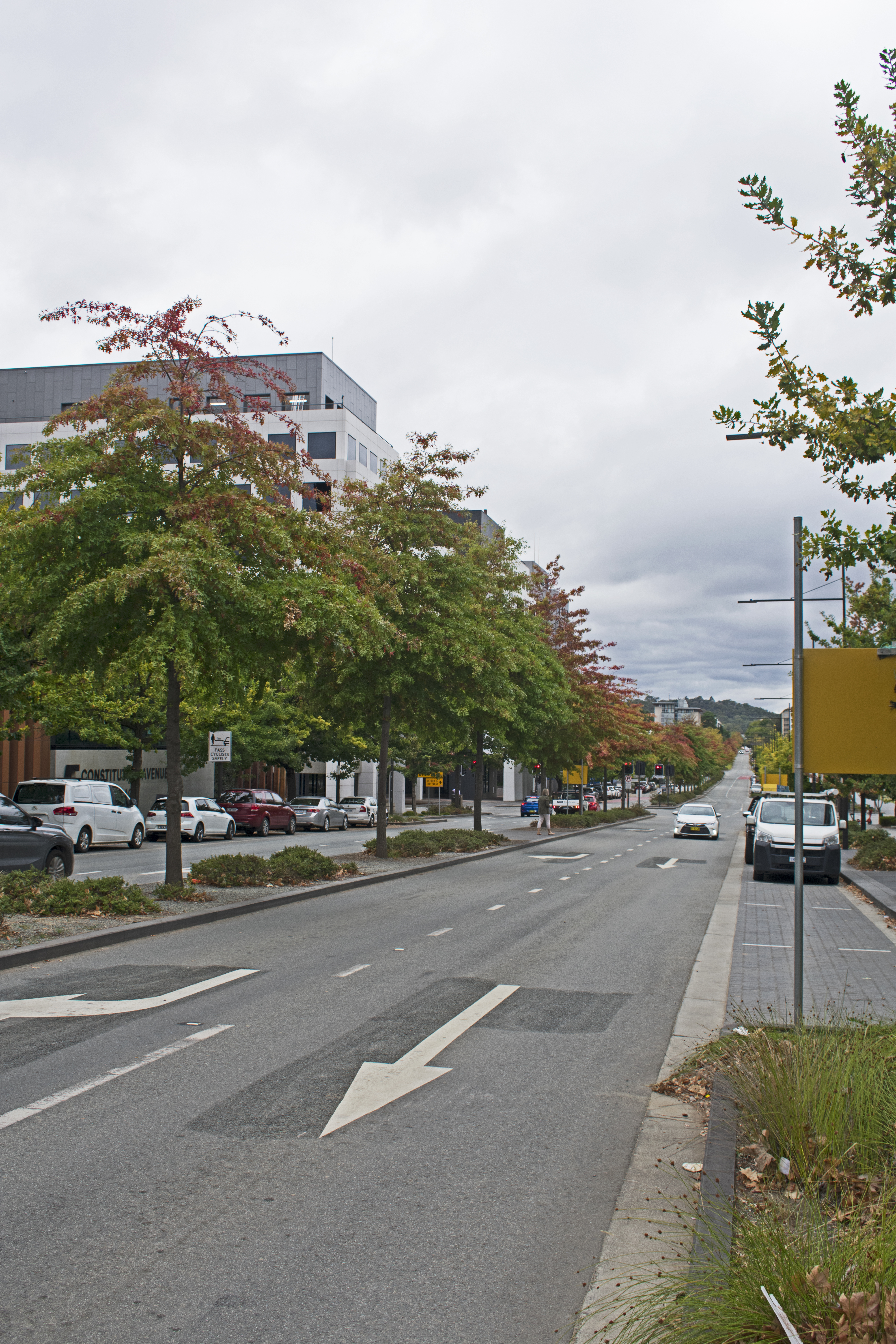
Walk down Lonsdale Street on a Friday night, and the shift is unmistakable. Where venues once struggled to fill seats during weeknight performances, packed crowds now spill onto the footpath. This isn't happenstance—it's the result of a deliberate, grassroots movement that has fundamentally rewired how Canberra approaches live entertainment over the past eighteen months.
The transformation centres on a simple philosophy: empower local artists and community organisers rather than rely on touring acts alone. Venues like those clustered around the Braddon precinct have become hubs for emerging talent, with mid-sized rooms hosting intimate sets that generate genuine connection between performers and audiences. Ticket prices typically range from $15–$35, a stark contrast to the $80–$120 touring circuit, making live music accessible to Canberra's younger demographics and cash-strapped creatives.
Behind this shift lies an informal but determined network. Independent promoters have begun collaborating rather than competing, pooling resources to share risk across venues. The Kingston Foreshore precinct, historically quieter for live entertainment, has emerged as a secondary hub following coordinated investment from several mid-sized operators. Local radio stations and social media communities have amplified grassroots promotion, replacing traditional advertising spend with organic word-of-mouth and targeted digital networks.
Data tells the story. Attendance at mid-tier venues across Canberra's entertainment districts increased approximately 40% year-over-year, according to informal surveys conducted by venue operators. More significantly, the demographic profile has broadened—not just 18–35-year-olds, but families, professionals and retirees now attend regular Friday and Saturday programming.
The movement extends beyond profit margins. Organisers have deliberately prioritised First Nations artists, emerging electronic producers, and culturally diverse performers historically underrepresented on Canberra stages. Venue spaces have begun hosting community forums, artist development workshops, and collaborative programming that blurs the line between entertainment and cultural infrastructure.
Challenges remain. Rent pressures in premium locations like Civic continue to threaten smaller operators. Late-night noise restrictions still constrain programming flexibility. Yet the momentum is undeniable. What began as individual venues experimenting with lower ticket prices and community-focused programming has evolved into a genuine cultural movement—one driven not by corporate investment or government subsidy, but by musicians, promoters and audiences collectively insisting that live music belongs at the centre of Canberra's identity.
This article was compiled by AI from the sources linked above and screened before publishing. See our editorial standards.