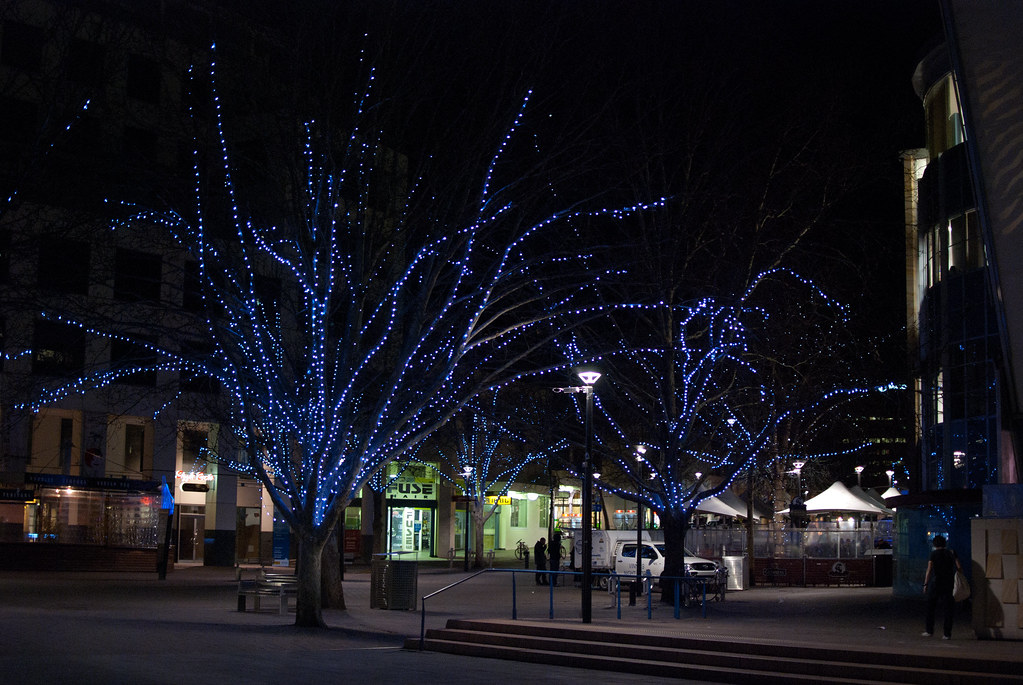
Walk down Lonsdale Street in Braddon on a Friday night and you'll encounter something that felt unthinkable five years ago: a thriving independent performance precinct that rivals anything in Sydney or Melbourne. What started as a handful of artists converting warehouse spaces into intimate theatre venues has evolved into a genuine movement reshaping Canberra's cultural geography.
The shift reflects a broader demographic realignment. Young professionals—many priced out of Sydney's housing market—have settled in inner Canberra neighbourhoods like Braddon, Kingston and Lyneham, bringing with them appetite for experimental theatre, independent cinema and live performance. Data from the Canberra Arts Strategy shows attendance at fringe and independent venues grew 34 percent between 2022 and 2025, while traditional subscription theatre attendance remained flat.
"What's happening isn't just more of the same," explains the programming philosophy at venues that have emerged across the district. "It's a fundamental reimagining of what theatre can be in Canberra." Pop-up performances in converted retail spaces, guerrilla film screenings in laneways, and collaborative works between theatre makers and visual artists have become the signature aesthetic of this movement.
The economics tell the story too. Independent venues typically operate with audience capacities between 60 and 120 people, ticket prices ranging from $20 to $35—significantly lower than established institutions. This accessibility has opened participation to artists who might otherwise relocate. A 2024 survey found that 68 percent of independent theatre practitioners in Canberra now cite affordability and community support as primary reasons for staying.
Kingston's riverside precinct and the emerging performance spaces along Wentworth Avenue in Braddon have become informal cultural hubs where rehearsals, exhibitions and informal performances overlap. The National Film and Sound Archive, long positioned as an institution, has begun programming more experimental work and supporting emerging filmmakers—a reflection of shifting community expectations.
The movement's impact extends beyond attendance figures. Independent producers report stronger collaboration with visual artists, musicians and dancers, creating hybrid performance forms that blur traditional disciplinary boundaries. Several artist collectives have formalised into registered organisations, securing grants and establishing regular programming.
What's remarkable is the absence of a single catalyst. Rather than top-down cultural planning, this shift emerged organically from a community willing to create the venues and experiences that established institutions weren't providing. As Canberra continues to attract younger populations, this grassroots momentum shows no sign of slowing.
This article was compiled by AI from the sources linked above and screened before publishing. See our editorial standards.