Property
Rent vs Buy in Canberra 2024: Why Buying Makes Sense Now
Interest rates stabilise while Canberra rents surge $550–$700/week. Discover when buying beats renting and which inner-north suburbs offer best value.
2 min read
Updated 2 h ago
Property
Interest rates stabilise while Canberra rents surge $550–$700/week. Discover when buying beats renting and which inner-north suburbs offer best value.
2 min read
Updated 2 h ago
For years, Canberra renters enjoyed a comfortable cushion: why lock into a mortgage when you could rent affordably and stay flexible? That equation is changing fast.
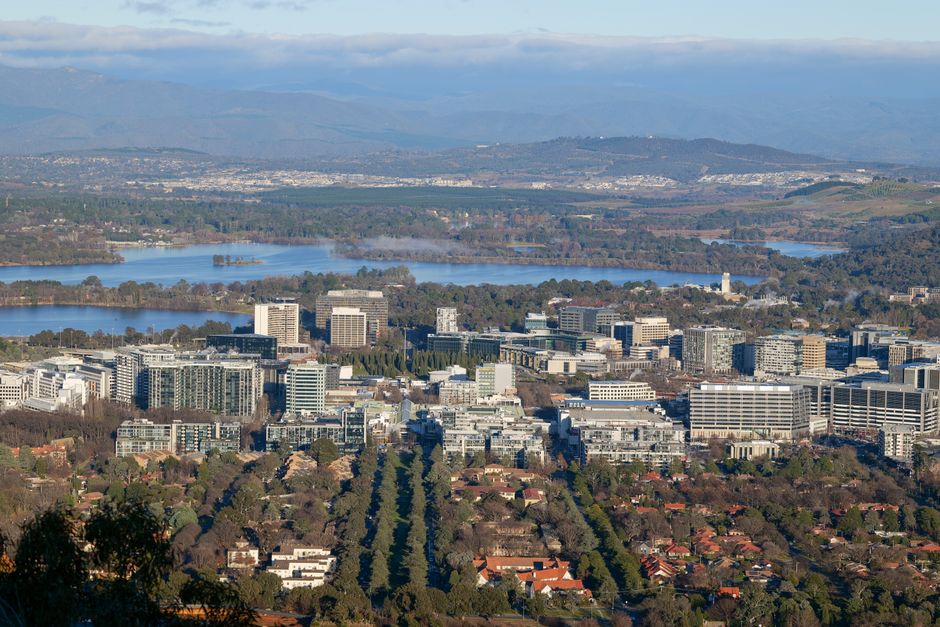
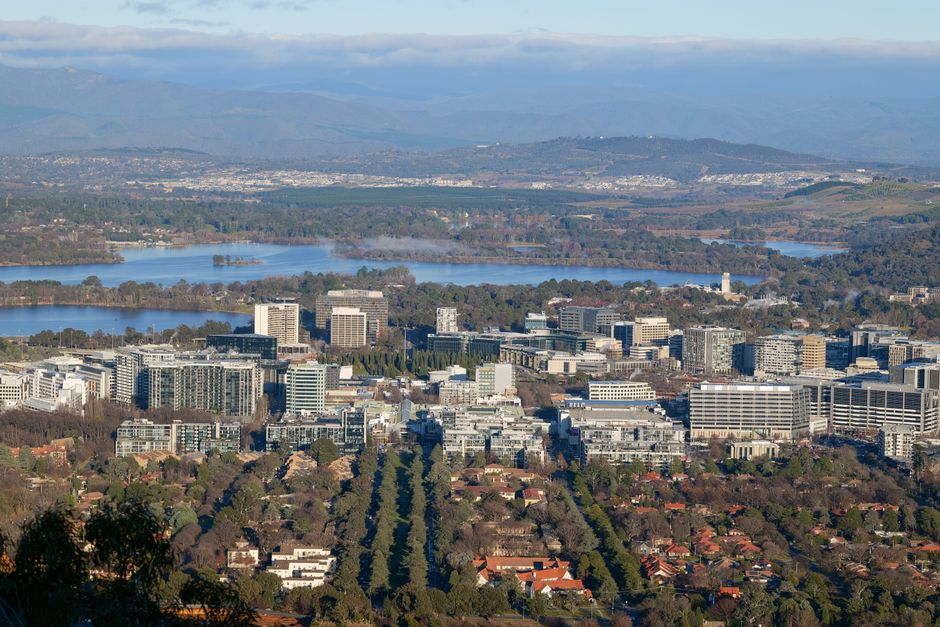
New analysis of ACT's rental and purchase markets reveals a striking reversal. While the median house price hovers around $835,000, weekly rents in established suburbs like Aranda and Campbell now command $550–$650, with inner-north pockets like Dickson pushing toward $700 for three-bedroom homes. Over a decade, that's nearly $400,000 in rental payments—with nothing to show at the end.
"The psychology has shifted," says one Canberra buyer advocate. "Tenants are doing the math and realising they're financing someone else's equity rather than their own."
The growth corridors tell a different story. Gungahlin's newer estates—Crace, Forde, and Harrison—offer entry-level homes from $680,000 to $750,000. For public servants on stable incomes (Canberra's core buyer demographic), serviceability at current rates is increasingly achievable, especially with the RBA signalling a pause on further hikes.
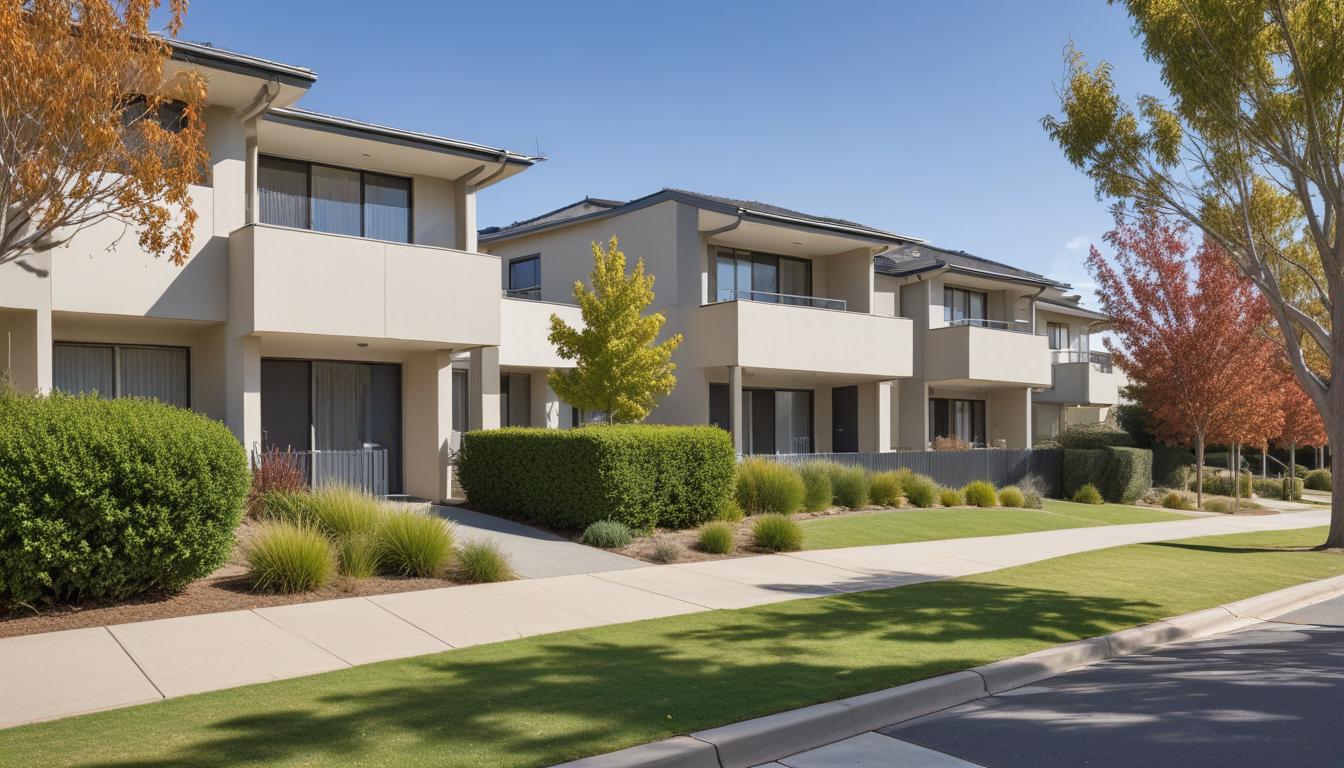
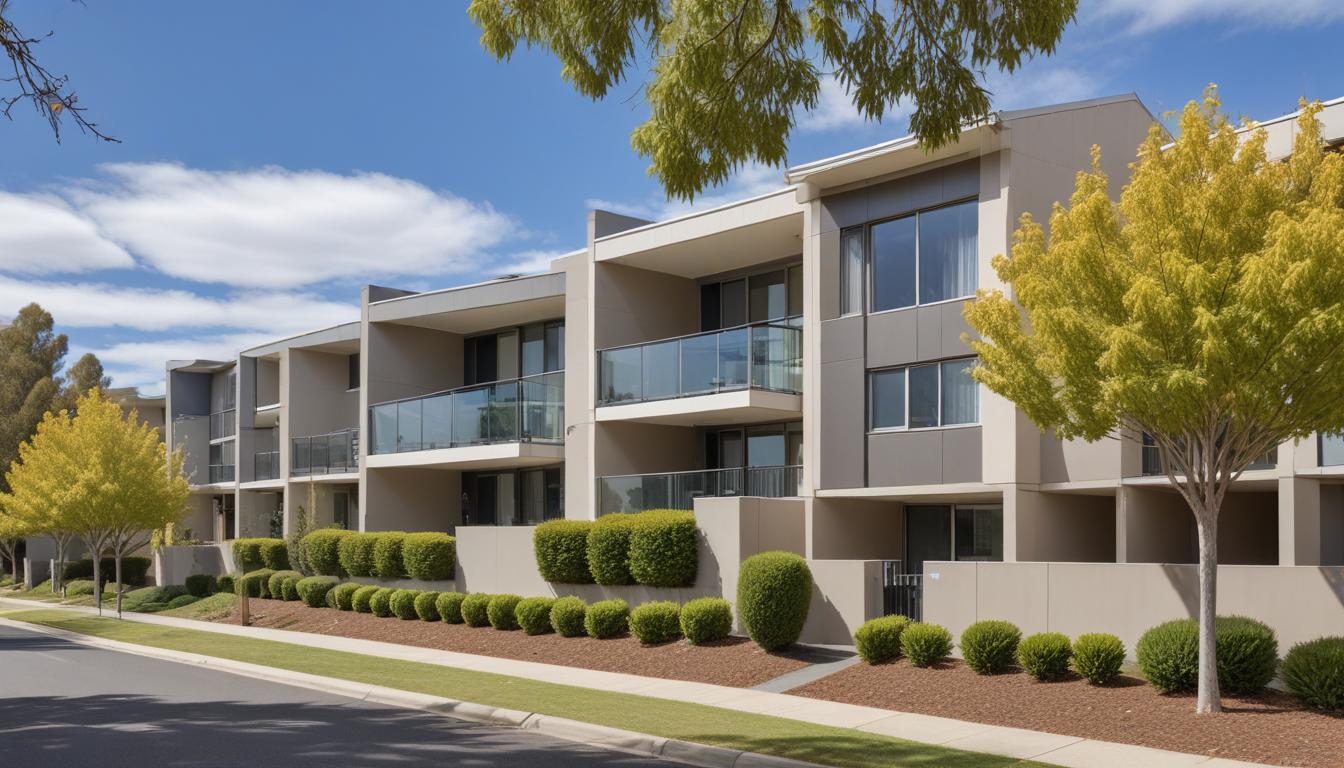
In Belconnen, suburbs like Denman Prospect are attracting first-home buyers priced out of inner zones. A modest three-bed townhouse there fetches around $620,000—comparable to two years' rent in Canberra's tighter precincts, yet building equity monthly.
But affordability isn't just about headline prices. Location matters enormously. Gungahlin's rapid growth, underpinned by new schools and retail, appeals to young families viewing purchase as a decade-plus commitment. Meanwhile, inner suburbs command premiums for walkability and established amenities—a 2005-built home in Forrest or Yarralumla remains a premium asset, often reaching $1.1–$1.3 million.
The rental squeeze is real. With ACT vacancy rates hovering below 2 percent, landlords have little incentive to moderate increases. Renters signing 12-month leases should expect 5–7 percent annual bumps, compounding the case for ownership.
Still, buying isn't universal wisdom. Renters valuing flexibility, or those uncertain about staying in Canberra long-term, remain rational in their choice. Negative equity risks persist if the market dips, and maintenance costs bite. First-home buyers should stress-test their budgets against potential rate rises to 4.5–5 percent.
The shift, however, is unmistakable: Canberra's rental market is finally making ownership look like the prudent choice for those who can afford to enter it. The window may not stay open forever.
This article was compiled by AI from the sources linked above and screened before publishing. See our editorial standards.
About this article
Published by The Daily Canberra
Spread the word
Daily brief
Free, in your inbox before 7am. Weekdays.
The Daily Network — local news across Australia