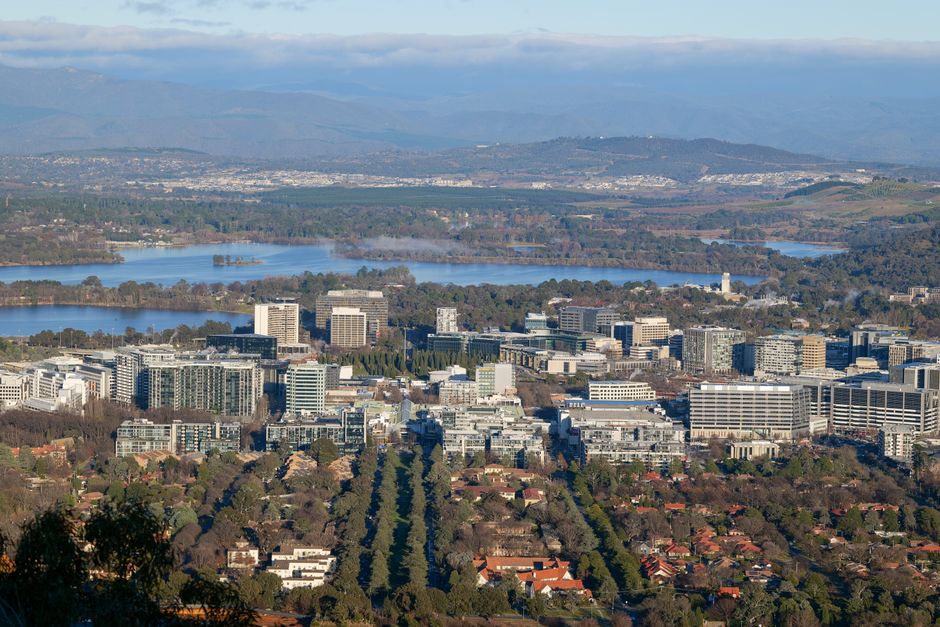
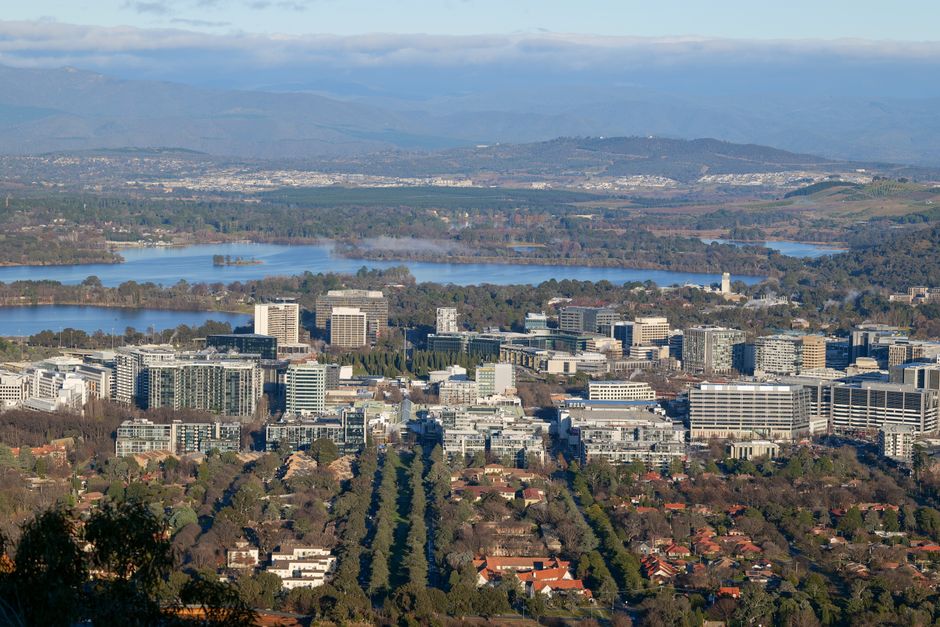
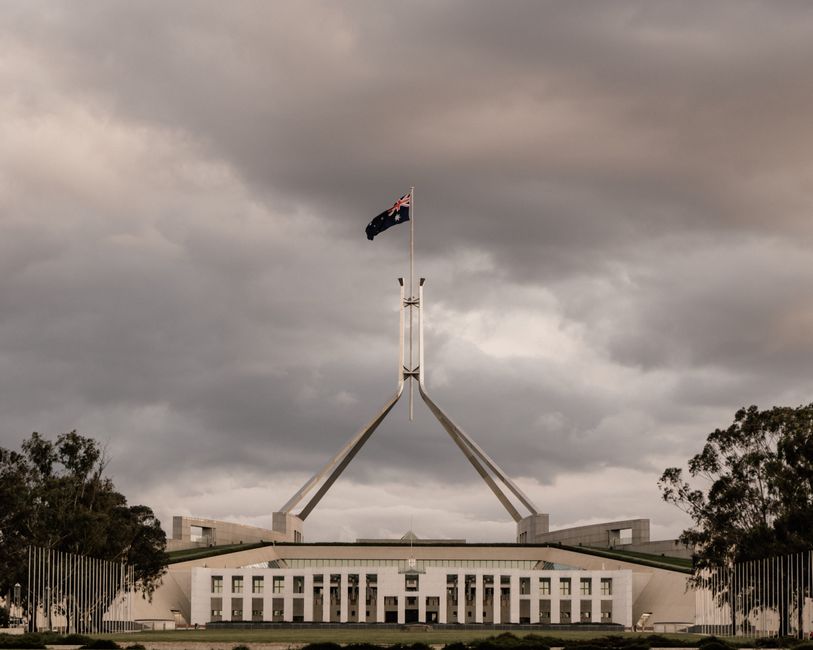
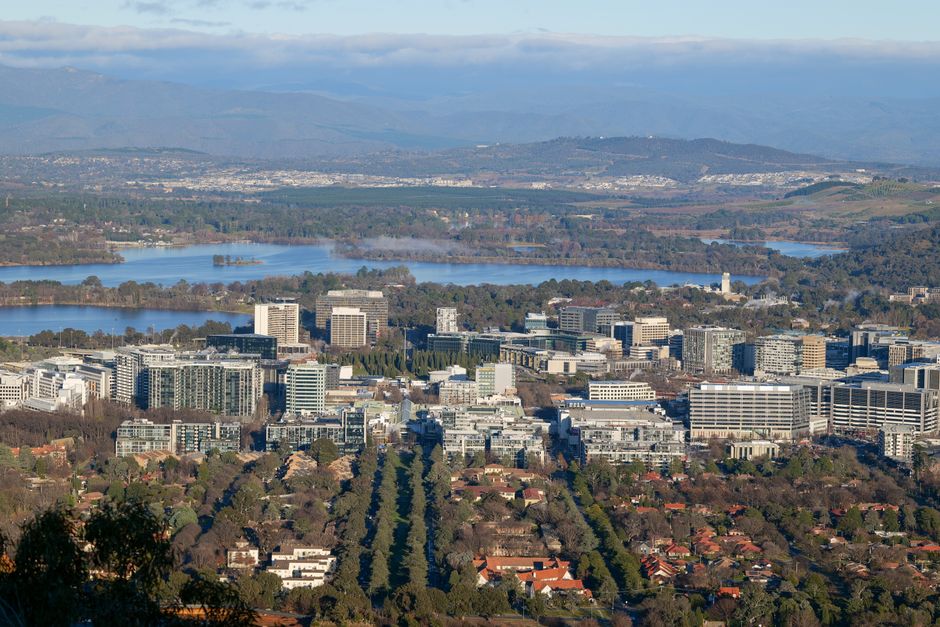
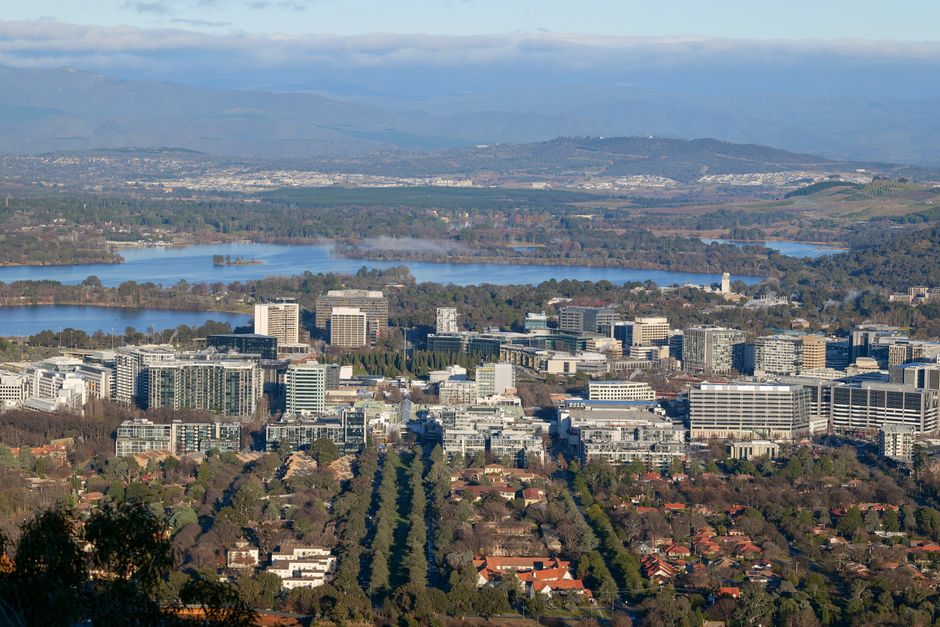
While Sydney's property market grabs headlines with dramatic price falls and Melbourne's wealthy circles hoard historic homes at secretive auctions, Canberra's housing story is playing out in a distinctly quieter fashion—one that's reshaping buyer behaviour across the capital.
The ACT median house price hovers around $835,000, but increasingly, savvy Canberran buyers are bypassing the sprawling outer suburbs that dominated the last decade and reconsidering established inner-north precincts. Dickson, Lyneham, and Downer are experiencing a renaissance as government workers—who form the backbone of Canberra's buyer base—reassess what home really means in 2025.
The shift reflects a national trend: as interest rates stabilise and work-from-home arrangements mature, proximity to employment, cafes, and community infrastructure is trumping the promise of extra bedrooms in far-flung developments. Suburbs like Gungahlin and Belconnen, which powered growth for years, are softening as buyers wake up to commute realities and the hidden costs of outer-area living.
"We're seeing genuine demand for character homes on tree-lined streets where you can walk to the shops," says one local agent. Properties in Lyneham's leafy corridors—historically overlooked compared to neighbouring Hackett—are now attracting competitive bidding. A modest three-bedroom on Melrose Street recently sold within 14 days, well above reserve.
The auction clearance rate across the ACT remains solid at around 65 per cent, masking deeper market divergence. Inner suburbs are clearing at the higher end of that spectrum, while outer developments face longer holding periods. Low rental vacancy rates continue to benefit investor confidence, though landlord-tenant tensions—mirroring frustrations rippling across Australia's rental sector—are beginning to surface in Canberra forums.
What's particularly interesting is the public servant demographic's resilience. Unlike Sydney's exodus narrative or Melbourne's millionaire fortress mentality, Canberra's government-employed buyers aren't fleeing; they're relocating laterally within the city. Stability of income means stability of commitment.
The real test will come in the next 12 months. If inner-north suburbs continue absorbing buyer interest while outer growth corridors plateau, Canberra could become a case study in market rebalancing—proving that not every Australian city chases the same property trends, and that sometimes the quietest stories hold the most compelling truths.
This article was compiled by AI and screened before publishing. See our editorial standards.