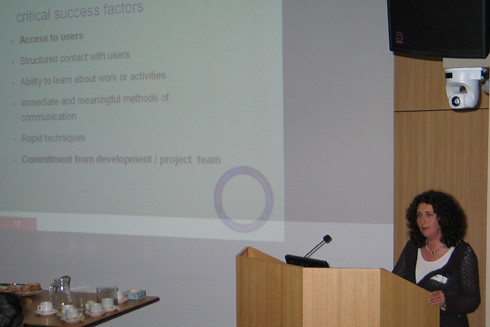
Canberra’s business community faces a critical juncture as workforce development trends reveal urgent skills shortages in key sectors like technology and health. Companies engaged in government contracting and tech innovation must refine recruitment and training approaches to remain competitive through the remainder of 2026.
This matters now because Canberra’s economy is heavily influenced by the federal government’s policies and budget decisions, which affect public sector hiring and investments in research. Combined with rapid digital transformation and an aging workforce, these factors are creating a dynamic talent market that demands more agile human resources planning than ever before.
Local Initiatives and Industry Responses
The Canberra Innovation Network (CBRIN) on Northbourne Avenue and the Canberra Business Chamber in Civic are at the forefront of responding to these changes. CBRIN recently expanded its workforce development programs to include targeted upskilling in artificial intelligence and cybersecurity, fields forecasted to grow by 12% in the region over the next two years.
Meanwhile, the ACT Government’s Skills Canberra initiative continues to fund apprenticeships and digital literacy programs across commercial precincts like Braddon and Fyshwick, aiming to bridge gaps in trades and IT roles. Local universities such as the Australian National University and the University of Canberra have also collaborated on joint ventures to tailor curricula to evolving employer needs. This cross-sector effort is crucial given Canberra’s status as a hub for policy and tech development.
Data Underpinning Workforce Strategies
Recent ACT Government labour statistics show that while the overall unemployment rate has dipped to 3.5% as of June 2026, the vacancy rate in technology roles remains stubbornly high at 9.8%. Additionally, 28% of employers reported difficulty filling positions in health-related areas, including aged care and mental health services, reflecting demographic pressures.
The average wage growth for in-demand professions increased by 4.2% year-on-year locally, outpacing national averages. Meanwhile, Deloitte’s 2026 Workforce Trends Report highlights that 65% of Canberra employers plan to invest more in employee training over the next 12 months, signalling a shift towards long-term skills development rather than reactive hiring.
These numbers suggest that businesses which proactively embrace flexible work arrangements, retraining, and partnerships with education providers will be better positioned to navigate talent challenges while controlling rising labour costs.
Practical steps for Canberra companies include leveraging resources from CBRIN and Skills Canberra, revising job descriptions to focus on transferable skills, and building stronger alliances with local educational institutions. With the Canberra Centre for Applied Technology and Innovation in Fyshwick soon launching incubation spaces tailored to workforce development projects, operators across sectors have new opportunities for collaboration.
As the city’s economic base diversifies, strategic workforce planning grounded in current data and local partnerships will be essential for businesses aiming to thrive in the evolving Canberra market throughout 2026 and beyond.