Business
Challenges and headwinds facing Canberra business sector this year
Local operators confront higher costs, supply disruptions and infrastructure strains that threaten growth through the second half of 2026.
2 min read
Updated 2 h ago
Business
Local operators confront higher costs, supply disruptions and infrastructure strains that threaten growth through the second half of 2026.
2 min read
Updated 2 h ago
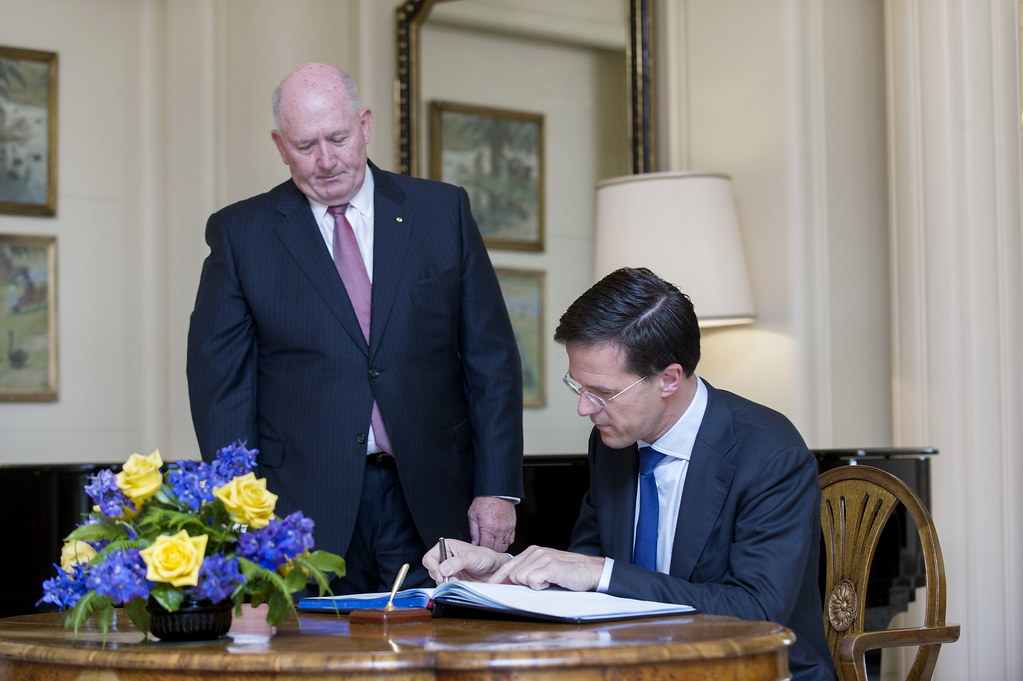
Canberra businesses reported average operating costs rising 9 per cent in the first six months of 2026, driven by energy prices and commercial rents that climbed sharply in the inner north.
The increase comes as firms already contend with slower consumer spending and the lingering effects of the June Telstra outage that hit point-of-sale systems across multiple suburbs. These pressures arrive at a time when the national economy shows mixed signals on inflation and interest rates, making it harder for operators to plan inventory or staff rosters beyond the current quarter.
Retailers along Lonsdale Street in Braddon and offices clustered around London Circuit have seen foot traffic drop 14 per cent compared with the same period last year, according to data compiled by the Canberra Business Chamber. Several owners cited delivery delays for imported stock and a shortage of skilled part-time staff willing to commute from outer suburbs where petrol prices remain above $1.85 a litre.
Property records show average rents for small ground-floor premises in the Civic precinct reached $680 per square metre in the June quarter, up from $590 twelve months earlier. At the same time, the ACT government’s small-business energy rebate program, which caps relief at $2,000 per premises, has not kept pace with the 22 per cent rise in commercial electricity tariffs since January.
The June Telstra network failure, which lasted more than seven hours on 10 July, exposed gaps in backup systems for businesses that rely on cloud-based ordering. Several Manuka cafes reported lost sales of $3,000 to $5,000 each when EFTPOS terminals went offline during the lunch rush.
Chamber analysts expect the cost squeeze to continue through December unless wholesale energy contracts ease after the winter peak. Firms are being advised to review insurance coverage for network outages and to renegotiate shorter lease terms where possible before September rent reviews.
Those steps include locking in fixed-rate power deals by the end of August and auditing delivery contracts for clauses that shift fuel surcharges to the buyer. Early action on these items could limit further margin erosion before the Christmas trading period begins.

Business

Business

Business

Business

Business

Business
About this article
Published by The Daily Canberra
Spread the word
Daily brief
Free, in your inbox before 7am. Weekdays.
The Daily Network — local news across Australia