Business
Canberra Business Investment Opportunities Surge
Australia's wealth ranking reshapes Canberra investment landscape. Discover how rising household wealth creates opportunities for businesses in the ACT capital.
3 min read
Business
Australia's wealth ranking reshapes Canberra investment landscape. Discover how rising household wealth creates opportunities for businesses in the ACT capital.
3 min read
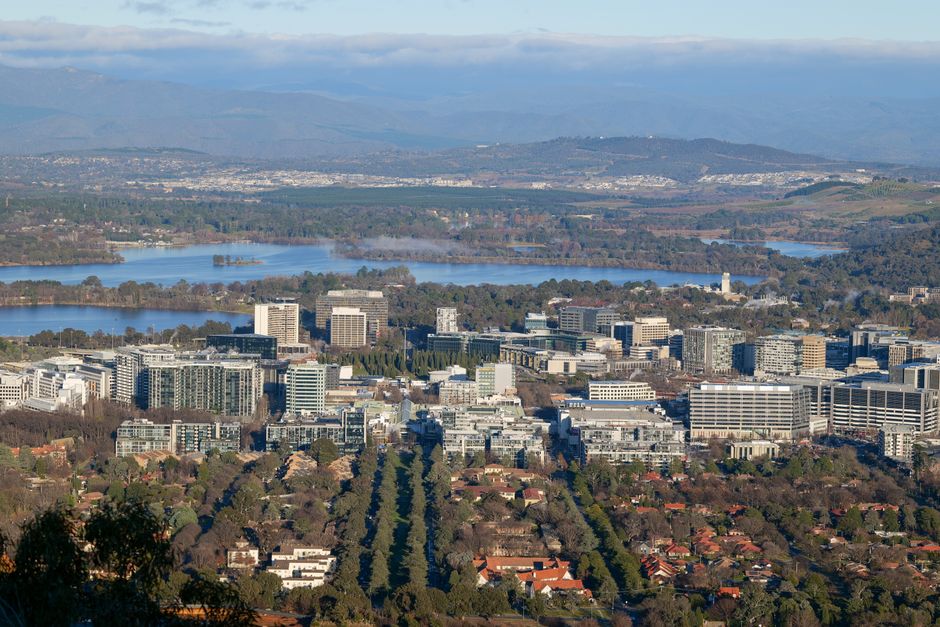
Australia's third-place ranking in global median wealth represents far more than a statistical milestone—it signals a fundamental shift in how capital is flowing through the economy, with direct implications for Canberra's business district.
The latest data, released today, shows Australian households hold substantially more wealth per capita than their counterparts in most developed nations. For Canberra's business community along Northbourne Avenue and in the emerging precincts around Ngunnawal Place, this translates into measurable investment appetite and spending power that extends well beyond the capital's traditional public service economy.
Economic indicators paint a picture of capital seeking new avenues. When median wealth climbs—as Australia's has—investors typically diversify their portfolios. Canberra's technology sector, concentrated around the innovation hubs in Braddon and Gungahlin, has become an increasingly attractive destination for both domestic and international venture capital looking to back Australian startups with global ambitions.
The wealth concentration also influences international trade dynamics. Wealthier domestic markets tend to attract foreign direct investment, particularly in professional services, advanced manufacturing, and knowledge-intensive sectors where Australia holds competitive advantage. For Canberra, this means potential growth in consulting, research commercialisation, and government-adjacent technology services that leverage the city's unique position as Australia's policy and intelligence centre.
However, the headline masks complexities worth examining. Global wealth rankings measure median holdings—the midpoint figure—which can obscure distribution patterns. Investment flows don't automatically reach smaller business communities. Canberra entrepreneurs report that while capital availability has improved marginally, securing institutional backing for mid-stage ventures remains challenging outside major financial hubs.
Local commercial property data offers clues about where confidence lies. Office vacancy rates in Canberra's CBD remain moderate at around 8-9 percent, suggesting measured optimism among businesses considering expansion. Rental yields in established business districts like Civic hover between 4.5 to 5.5 percent, reflecting both the stability of government-anchored tenancy and emerging private sector growth.
The fertiliser industry support announced today—a $160 million government loan to secure phosphate supply chains—exemplifies how policymakers interpret these economic signals. The decision reflects confidence that Australia's wealth and investment capacity warrant commitment to domestic productive capacity rather than pure imports.
For Canberra business leaders, the practical takeaway is clear: Australia's elevated wealth position creates headroom for investment, but accessing those flows requires demonstrating genuine competitive advantage. The city's businesses must articulate how they leverage Canberra's unique position in policy, research, and technology to justify capital allocation in an increasingly competitive investment landscape.
This article was compiled by AI and screened before publishing. See our editorial standards.
About this article
Published by The Daily Canberra
Spread the word
Daily brief
Free, in your inbox before 7am. Weekdays.
The Daily Network — local news across Australia