Business
Canberra Hospitality Struggles With Rising Wages, Shrinking Margins
Rising wages, tighter margins and shifting spending patterns are testing retailers and restaurants across the nation's capital.
2 min read
Business
Rising wages, tighter margins and shifting spending patterns are testing retailers and restaurants across the nation's capital.
2 min read
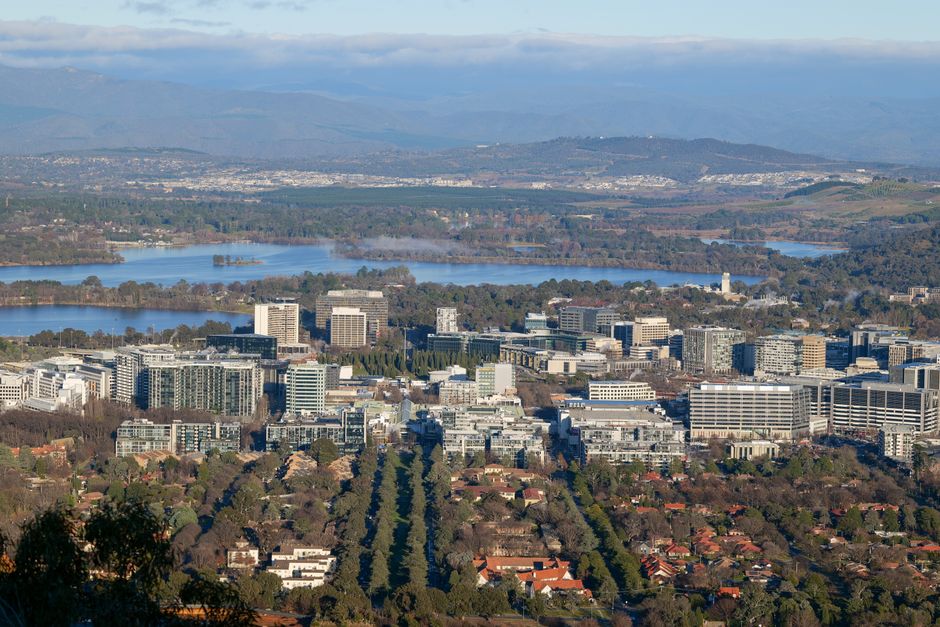
Canberra's hospitality and retail food sector is navigating a treacherous landscape in 2026, with venue operators across Civic, Braddon and Woden reporting a confluence of headwinds that threaten profitability and viability across the board.
Labour costs remain the most pressing challenge. Award wage increases have outpaced revenue growth, with hospitality venues reporting payroll now consuming 28–32 per cent of turnover compared to historical averages of 24–26 per cent. A mid-range restaurant on London Circuit can expect to pay $58–62 per hour for experienced kitchen staff, plus penalty rates that compound during weekends and public holidays. For smaller operators on Alinga Street or in Belconnen's retail precincts, this squeeze is acute.
Consumer spending patterns are equally troubling. Data from the Canberra Business Chamber indicates discretionary dining visits have dropped 12 per cent year-on-year, particularly among under-35 demographics pivoting towards home delivery and meal-kit services. Meanwhile, the lingering effects of cost-of-living pressures mean average spend per cover has stalled at $45–55 for casual dining, limiting venues' ability to offset labour costs through volume.
Supply chain volatility continues to undermine margins. Fresh produce pricing remains elevated due to drought conditions across eastern Australia, while imported goods face currency headwinds. A Canberra café operator reports milk and coffee bean costs have risen 18 per cent since January—pressure already evident in the sector following recent regulatory action against misleading labelling practices that have made consumers more price-conscious.
Rent and utilities add another layer of stress. Prime retail locations in Civic face commercial rents of $400–500 per square metre annually, while electricity costs for hospitality venues have climbed steadily, increasing operational expenses by 6–8 per cent across the year.
The regulatory environment is tightening too. Enhanced compliance requirements around food safety and labelling—now under heightened scrutiny—require staff training and systems upgrades that divert capital from other investments.
However, some operators in established precincts like Braddon's cafe precinct and West Basin venues report resilience through premiumisation and experience-led offerings that justify higher margins. Loyalty programs and local marketing are becoming critical differentiators.
Industry bodies are advocating for tax relief and payroll support schemes to ease the transition, but many venues remain in a holding pattern, deferring expansion plans and managing cashflow week-to-week. For Canberra's hospitality sector, 2026 is undoubtedly a year of consolidation rather than growth.
This article was compiled by AI and screened before publishing. See our editorial standards.
About this article
Published by The Daily Canberra
Spread the word
Daily brief
Free, in your inbox before 7am. Weekdays.
The Daily Network — local news across Australia