Business
Remote Work Canberra Jobs: Talent War Intensifies
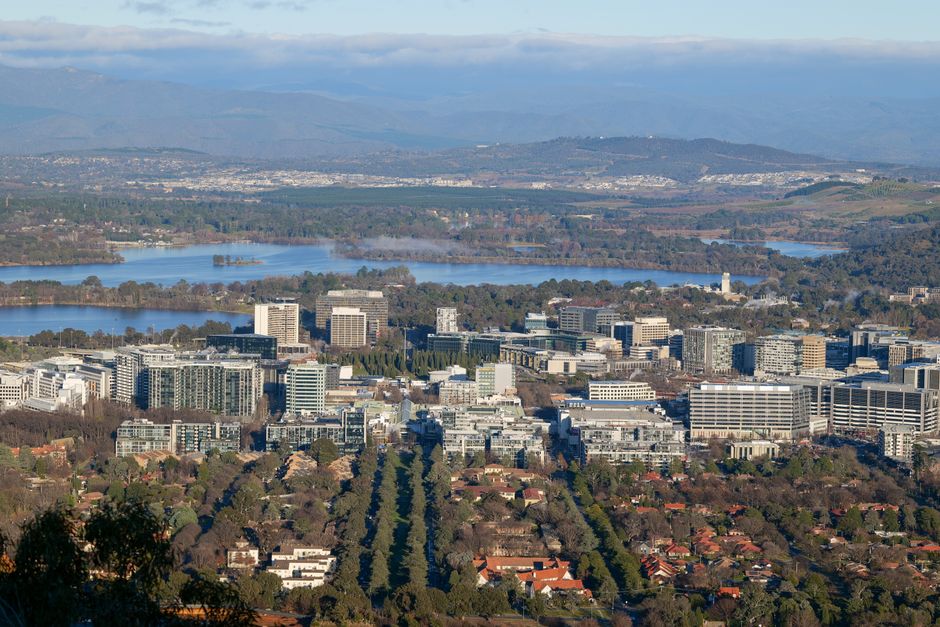
Hybrid and remote work reshape Canberra's job market. Employers compete harder for talent as CBD office vacancy rates hit decade highs along London Circuit.
2 min read
Business
Hybrid and remote work reshape Canberra's job market. Employers compete harder for talent as CBD office vacancy rates hit decade highs along London Circuit.
2 min read
Canberra's employment landscape is undergoing a fundamental shift as hybrid and remote work arrangements, once pandemic-era exceptions, have become structural features of how the capital's businesses operate. The change is creating both opportunities and tensions in a labour market that has historically relied on a steady stream of public sector jobs and a contained pool of private sector talent.
Data from the Canberra Business Chamber suggests that vacancy rates for office space in the CBD—particularly along London Circuit and around the Civic precinct—have climbed to levels not seen in a decade. Meanwhile, employers report increased difficulty attracting and retaining mid-level professionals, many of whom now negotiate remote arrangements that allow them to live beyond Canberra's traditional boundaries while maintaining their employment.
"We're seeing candidates genuinely expect flexibility," says one recruitment specialist operating from offices near Braddon. "Five years ago, that was a nice-to-have. Now it's table stakes." The shift has forced Canberra employers to compete not just with interstate firms but with global talent pools, fundamentally altering salary expectations and benefit packages across sectors.
The trend is reshaping neighbourhoods as well. Inner suburbs like Dickson, Lyneham, and Hackett—traditionally commuter dormitories for CBD workers—are experiencing renewed residential investment as professionals recognise they can work from home several days weekly. Real estate agents report strong demand for properties with dedicated home office spaces, reflecting this permanent recalibration of work life.
The National Capital Authority and major private employers have begun responding strategically. Rather than maintaining sprawling office footprints across Canberra Centre and surrounding towers, organisations are consolidating to smaller, high-quality collaboration spaces designed for occasional in-person work. This rationalisation is freeing capital for other investments, though it's creating displacement challenges for workers dependent on traditional office roles.
Against this backdrop, Canberra's competitive advantages have shifted. The city's relatively affordable housing, outdoor lifestyle, and quality-of-life factors—historically secondary to government employment stability—have become primary selling points for attracting talent from Sydney and Melbourne. Employers now actively market Canberra's livability in recruitment campaigns, a strategy unthinkable a decade ago.
The implications for skills development are significant. Training providers and education institutions across the region are adapting curricula to emphasise remote collaboration tools, self-direction, and digital literacy—competencies that hybrid workforces demand. For Canberra's broader economy, the challenge lies in ensuring this evolution strengthens rather than hollows out the local business ecosystem.
This article was compiled by AI and screened before publishing. See our editorial standards.
About this article
Published by The Daily Canberra
Spread the word
Daily brief
Free, in your inbox before 7am. Weekdays.
The Daily Network — local news across Australia