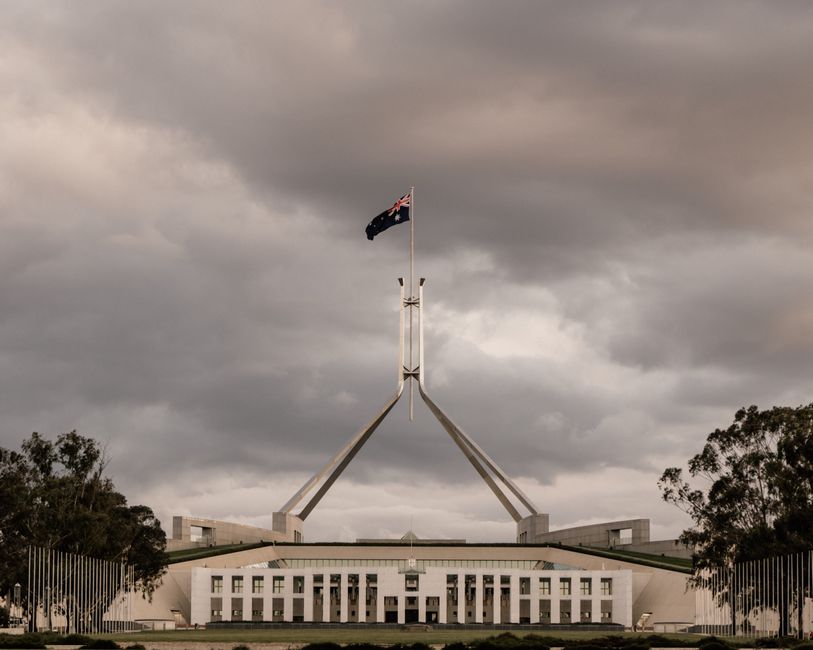
Canberra's business community is navigating a paradoxical landscape this mid-year. While national wealth metrics paint an optimistic picture—Australia ranks among the world's wealthiest nations per capita—the lived reality for enterprises operating in Civic, Belconnen and Woden tells a more nuanced story.
The widening gap between headline economic performance and ground-level operational pressures is reshaping investment decisions across the ACT. Office vacancy rates in Civic remain elevated at around 8 per cent, according to latest commercial real estate assessments, forcing landlords and tenants alike to renegotiate terms. Meanwhile, retail precincts in Belconnen and Dickson are experiencing mixed demand as consumer discretionary spending tightens.
"What we're seeing is a bifurcated market," explains the broader trend: those sectors tied to government spending and essential services remain robust, while businesses dependent on discretionary consumer spending face headwinds. Construction material costs—critical given Canberra's ongoing development—have plateaued rather than declining, limiting margin expansion for builders and developers.
The cost-of-living squeeze is reshaping Canberra's consumer profile. Commercial rent in the CBD remains sticky around $350–$450 per square metre annually, higher than comparable growth cities, while residential property prices in inner suburbs like Forrest and Yarralumla have moderated from 2024 peaks. This has knock-on effects: hospitality venues around Braddon and Kingston report softer weeknight patronage, though weekend demand holds steady.
For investors, the message is clear: sector selection matters more than ever. Government-contracted businesses, healthcare, and education-focused enterprises continue attracting capital. Technology and professional services firms are increasingly decentralising operations from Sydney and Melbourne to Canberra, attracted by the labour market and proximity to regulatory bodies.
One bright spot: the fertiliser sector support announced today reflects government commitment to infrastructure and regional supply chains—signalling confidence in long-term economic fundamentals beyond the current cycle.
Businesses should prepare for sustained volatility. The next 12 months will likely see further commercial property repricing, continued wage pressure in skilled sectors, and selective consumer spending. Those with diversified revenue streams and flexible cost structures will weather the cycle most effectively. For Canberra-based enterprises planning expansion or investment, 2026's second half demands more rigorous due diligence and conservative assumptions than the exuberant conditions of recent years.
This article was compiled by AI and screened before publishing. See our editorial standards.