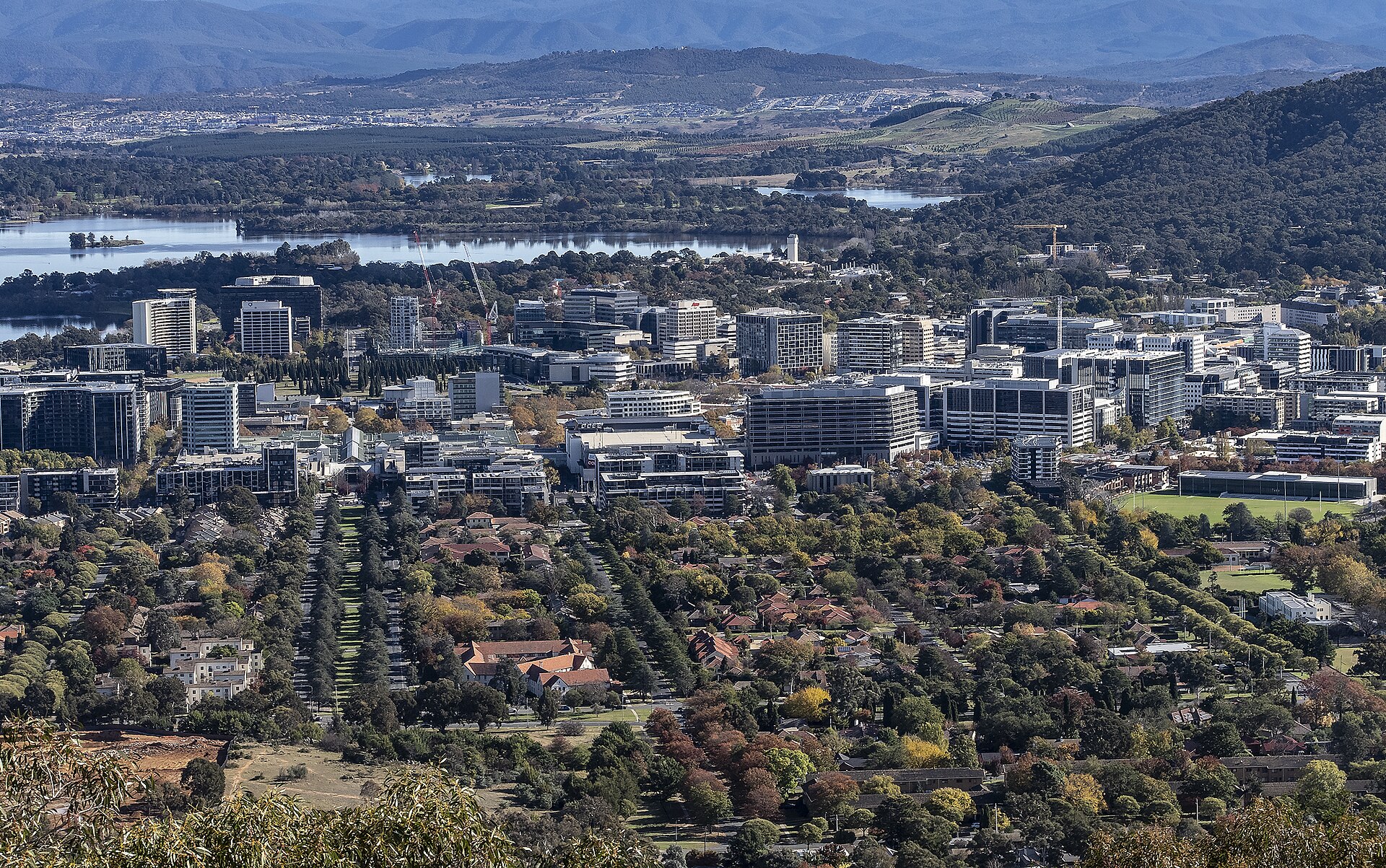
Canberra's employment landscape is experiencing a profound transformation. The rise of hybrid and remote work arrangements, accelerated by pandemic-era adaptations that have now become permanent fixtures, is fundamentally reshaping how the capital attracts and retains talent across its professional services, technology, and government contractor sectors.
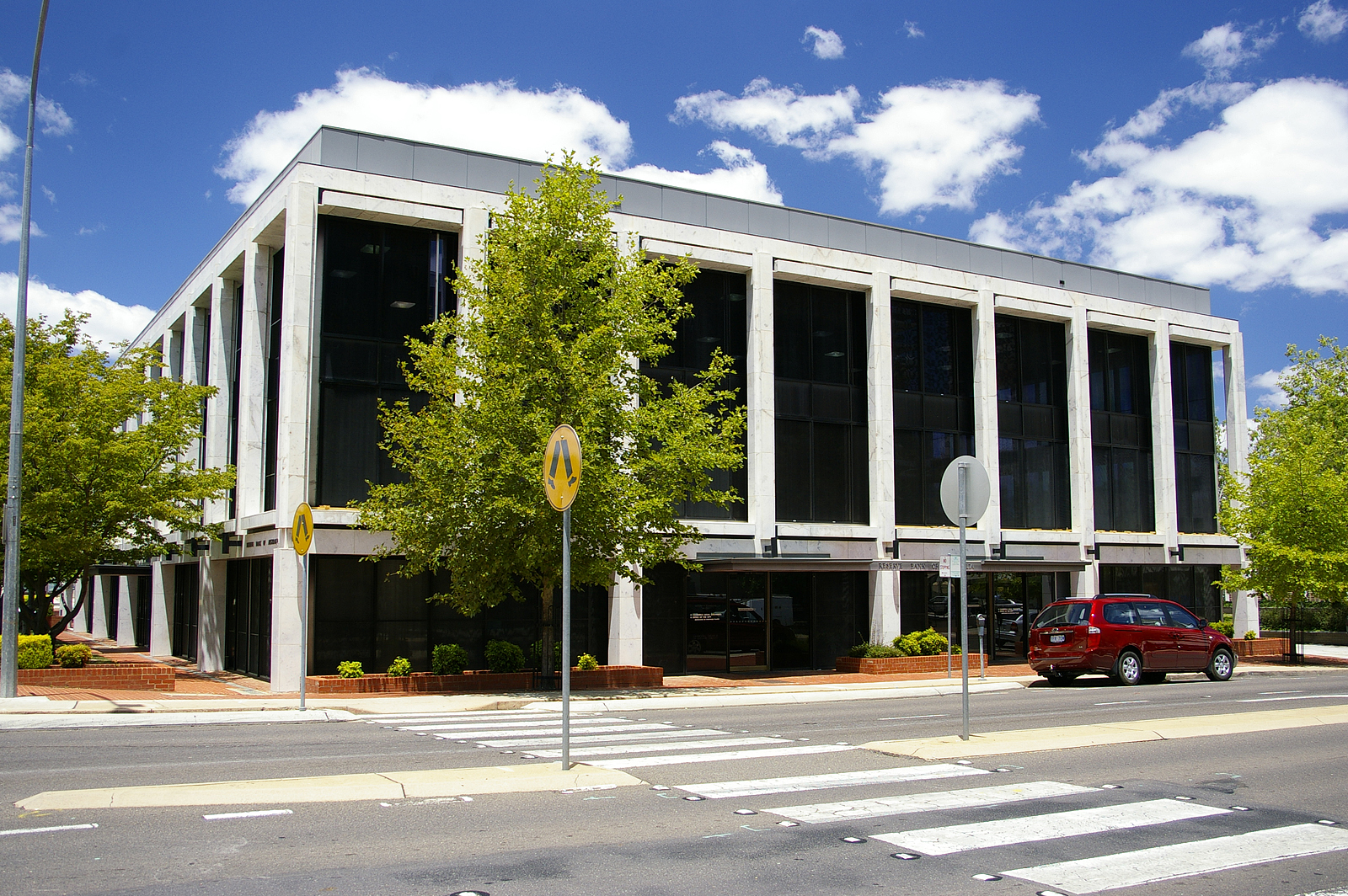
The shift is particularly evident in suburbs like Dickson and Civic, where co-working spaces and purpose-built office hubs have proliferated. Several major consulting firms and tech startups operating from Canberra Avenue have recently reported that their ability to recruit senior talent from Sydney and Melbourne has dramatically improved-not because of salary increases, but because skilled workers can now live in the capital while maintaining interstate client relationships without daily commutes.
"We're seeing a complete recalibration of work expectations," explains the Canberra Business Chamber, which has tracked employment trends across the ACT. The flexibility premium-once a draw for employees willing to accept lower salaries-is now reshaping compensation structures entirely. Organisations that once competed primarily on pay packets are discovering they can attract overqualified candidates seeking better work-life balance and lower cost of living compared to major eastern seaboard cities.
Data from the ACT government's economic development authority indicates that job advertisements for professional roles now predominantly specify hybrid arrangements, with fully remote positions increasingly common for specialised roles in finance, software development, and policy analysis. This accessibility is broadening the candidate pool beyond Canberra's traditional base of public servants and defence contractors.
However, the transition isn't without tension. Younger workers entering the market are discovering that entry-level positions still demand in-office presence, creating a bifurcated job market. Meanwhile, property prices in sought-after suburbs like Braddon and Turner-traditionally affordable compared to Sydney's comparable neighbourhoods-have climbed as interstate professionals establish dual bases, putting pressure on local first-time buyers.
The hospitality and retail sectors around Canberra Centre and the Acton precinct have benefited from increased foot traffic as hybrid workers spend days in the city. Yet tight labour markets persist in service industries, where remote-capable workers have largely moved to higher-paying professional roles.
For employers, the challenge is evolving. Organisations must now compete nationally for talent rather than drawing primarily from the local ACT labour force. Some are relocating support functions here to capitalise on lower overheads and quality of life, while others are building stronger remote management capabilities to retain distributed teams.
As Australia's wealth disparities widen-with the latest data showing rising median wealth concentrations-Canberra's relatively balanced employment ecosystem and emerging flexibility culture may position it as an increasingly attractive alternative for professionals seeking both opportunity and lifestyle balance.
This article was compiled by AI and screened before publishing. See our editorial standards.
This article is general information only and is not personal financial or investment advice. Consider your own circumstances and seek licensed professional advice before making financial decisions.
Sources Include (But not Limited to)
Source material used in preparing this article is listed below so readers can check the original record.