Business
Canberra Office Vacancy Soars as Hybrid Work and Rising Costs Reshape CBD
Vacancy rates climb and rents stall across the capital's CBD as landlords grapple with structural shifts in how businesses use commercial real estate.
2 min read
Business
Vacancy rates climb and rents stall across the capital's CBD as landlords grapple with structural shifts in how businesses use commercial real estate.
2 min read
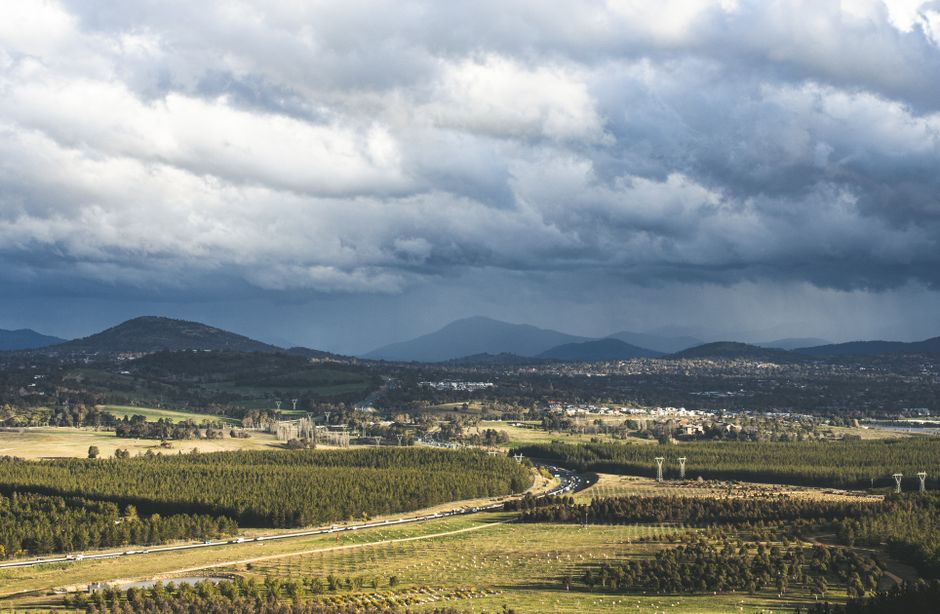
Canberra's commercial property market is facing a watershed moment. After a decade of relative stability underpinned by steady government employment, the city's office sector is now confronting a complex mix of headwinds that threaten to reshape the CBD landscape and challenge investor confidence.
Vacancy rates in Canberra's central business district have drifted upward to around 12 per cent in the past 18 months—a stark contrast to the sub-8 per cent levels that prevailed during the pandemic-driven office boom. Properties along Northbourne Avenue, traditionally the city's premier commercial corridor, are experiencing longer lease negotiations and more frequent tenant fit-outs remaining unfinished as occupiers recalibrate their space requirements.
The culprit is no secret: hybrid work has fundamentally altered demand dynamics. While the government sector—which anchors Canberra's economy—has mandated regular office attendance, private professional firms and service providers are consolidating footprints. Average rental rates for Grade A office space in the City Centre have plateaued at around $340 per square metre, with landlords increasingly offering incentives rather than pursuing aggressive price growth.
The challenge is compounded by rising operating costs. Building maintenance, energy expenses, and compliance with upgraded fire safety and accessibility standards have inflated outgoings significantly. Many older assets, particularly those constructed in the 1990s and early 2000s, face substantial capital expenditure requirements to remain competitive.
"Older stock is struggling," explains one local property agent familiar with the market. "Tenants want flexible terms, modern amenities, and sustainability credentials. Buildings without those attributes are watching their renewal rates decline."
Meanwhile, the broader property environment offers little relief. Rising interest rates have compressed development yields, delaying new supply pipelines. And while Canberra's median wealth metrics compare favourably globally, that wealth concentration hasn't necessarily translated into speculative commercial investment locally.
Some landlords are pivoting toward mixed-use redevelopment—particularly in Braddon and Dickson, where residential conversion opportunities exist. But in the heart of the CBD, particularly around London Circuit and Constitution Avenue, traditional office operators are contending with a structural rebalancing that will likely persist through 2026 and beyond.
The sector isn't in crisis—government tenancy remains robust, and well-positioned properties with modern specifications continue to attract interest. But the days of uninterrupted rental growth and minimal vacancy are definitively over. Canberra's commercial property market is entering a period of differentiation, where location, condition, and tenant adaptability will determine winners and losers.
This article was compiled by AI and screened before publishing. See our editorial standards.
About this article
Published by The Daily Canberra
Spread the word
Daily brief
Free, in your inbox before 7am. Weekdays.
The Daily Network — local news across Australia