Business
Canberra Tourism Economy: Impact on Local Jobs & Growth
Canberra's $1.2B visitor economy creates jobs and shapes infrastructure. Learn how tourism spending affects residents, from Civic retail to Braddon hospitality.
3 min read
Business
Canberra's $1.2B visitor economy creates jobs and shapes infrastructure. Learn how tourism spending affects residents, from Civic retail to Braddon hospitality.
3 min read
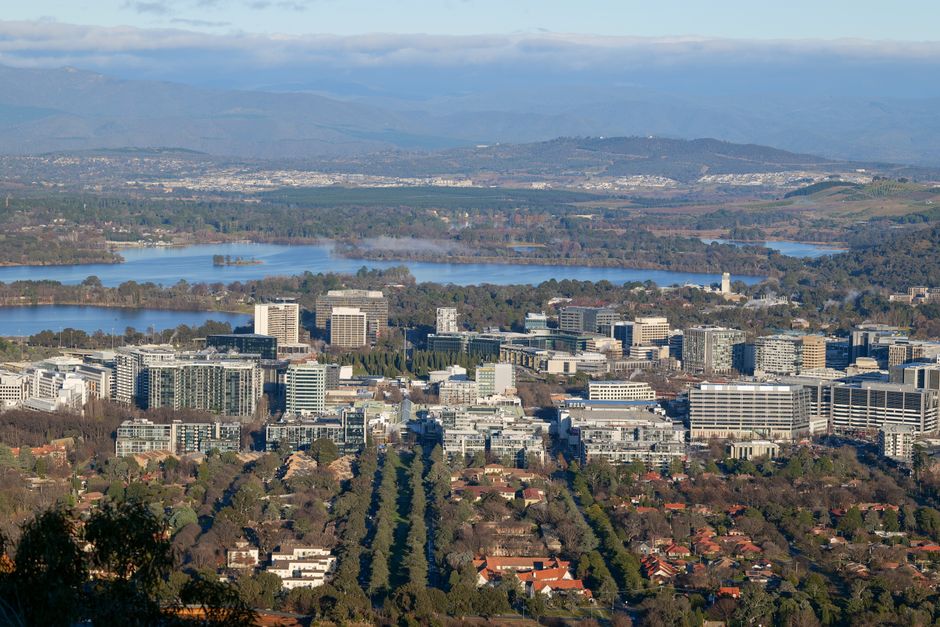
Canberra's visitor economy is quietly reshaping the city, and residents often don't realise how deeply it touches their daily lives. Whether you're commuting along Commonwealth Avenue or grabbing coffee in Braddon, the tourism boom is creating both opportunities and challenges that affect your wallet, your commute, and your neighbourhood's future.
Tourism Australia data shows Canberra attracts over 2 million visitors annually, with spending topping $1.2 billion. That's not abstract economics—it translates to jobs at places like the National Museum of Australia, the Canberra Airport precinct, and across the city's hospitality sector. The retail and food services sectors, particularly around Civic and the emerging creative hubs in Braddon and Kingston, depend heavily on visitor dollars.
But here's what matters to everyday residents: tourism infrastructure investment directly competes with local services funding. When millions flow toward new hotel developments in Barton or upgraded attractions around Lake Burley Griffin, councils make choices about where tax dollars go. Understanding this helps you engage meaningfully in local planning discussions.
Visitors also drive housing demand. Short-term rental platforms have transformed parts of Forrest and O'Connor, pushing up property values but sometimes reducing long-term rental availability for locals. Peak tourism seasons—September through November, and December to February—correlate with increased traffic congestion around major attractions and central business areas.
There are tangible consumer implications too. Restaurant prices in high-traffic zones near the Parliamentary Triangle or around the Australian War Memorial tend to reflect visitor spending capacity. Parking pressures intensify in tourist hotspots, affecting locals' access to cultural venues they've funded through taxes.
The skilled workforce demand created by tourism expansion means career opportunities in hospitality management, event coordination, and tourism marketing—sectors where Canberra employers actively recruit. This year, tourism operators reported labour shortages despite strong business conditions, suggesting genuine job growth.
For residents, the key insight is recognising tourism as a dynamic economic force rather than something happening elsewhere. When you see infrastructure upgrades, pricing changes, or traffic patterns shifting, there's usually a tourism connection worth understanding. Local media, Canberra Business Chamber data, and ACT government tourism reports provide transparent insight into these patterns.
The visitor economy will continue reshaping Canberra. Residents who engage with these trends—through community consultations, understanding local business dynamics, and recognising both benefits and trade-offs—can help shape a tourism strategy that genuinely serves the community, not just visitors passing through.
This article was compiled by AI and screened before publishing. See our editorial standards.
About this article
Published by The Daily Canberra
Spread the word
Daily brief
Free, in your inbox before 7am. Weekdays.
The Daily Network — local news across Australia