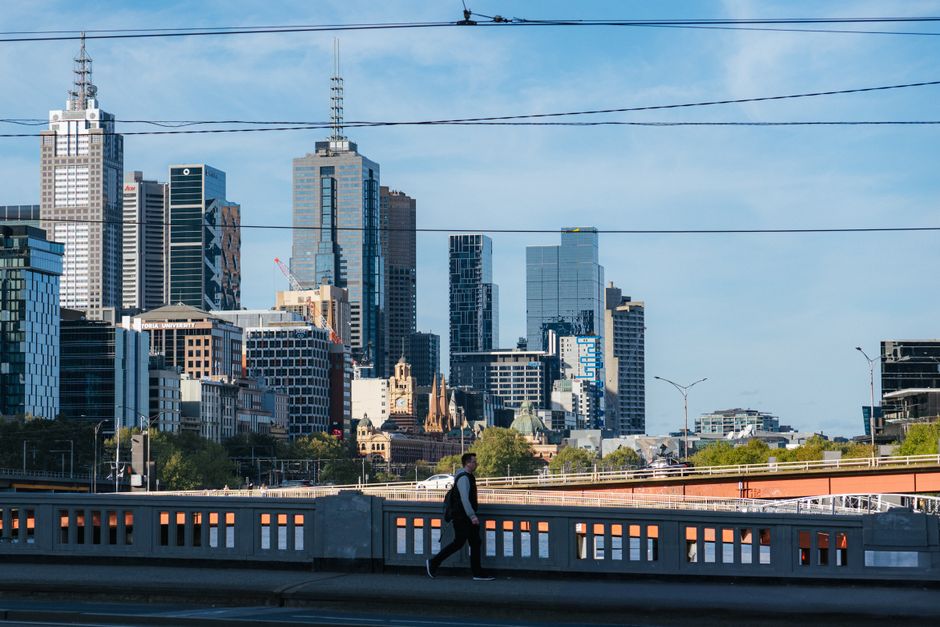
The tremors reverberating through global markets are landing hard on Canberra's commercial property sector. As tensions escalate in multiple regions and investor confidence fluctuates, the capital's office market—long anchored by government stability—is experiencing volatility that local property professionals haven't seen in years.
The impact is most visible in the city centre, particularly around Barton and Belconnen's business precincts. Flight Capital Property Management reports that enquiries for premium office space along Commonwealth Avenue have slowed noticeably over the past quarter, with several multinational firms delaying expansion plans. One major technology contractor that had planned a 5,000-square-metre fitout in Barton has indefinitely postponed the project, citing uncertainty around government defence spending decisions influenced by international developments.
"We're seeing companies adopt a wait-and-see approach," explains one local commercial agent who requested anonymity. "When global markets are volatile, Canberra loses some appeal as a growth destination. Money flows toward perceived safety, and right now, that's not always here."
The ripple effects extend beyond headline tenants. A-grade office space in Canberra's core business districts currently commands $450–$520 per square metre annually—competitive by national standards—yet vacancy rates have drifted toward 9 per cent, up from 7.2 per cent twelve months ago. Property investors are increasingly cautious, with several development projects in the Franklin, Belconnen, and Mitchell precincts facing delayed timelines.
The situation isn't uniformly bleak. Government agencies continue relocating to the capital under the Public Service locational strategy, providing steady demand. However, the private sector—which drives diversification and growth—is recalibrating. Insurance firms, professional services companies, and defence contractors are reassessing their Australian exposure as geopolitical costs ripple through supply chains and investment portfolios.
Foreign investment into Canberra commercial property has cooled markedly. Several Asian and North American institutional investors have reduced their acquisition activity, preferring to monitor conditions before committing fresh capital. This represents a significant shift from 2024–2025 trends, when international appetite for Australian office assets remained relatively robust.
For Canberra's broader business community, the message is clear: the capital's traditional insulation from global volatility no longer holds. Property owners, tenants, and investors must grapple with a new reality where international tensions directly influence local valuations, leasing decisions, and development pipelines. Whether this proves a temporary adjustment or signals a deeper rebalancing remains uncertain—but the global stage is now directing the scene in Canberra's commercial market.
This article was compiled by AI from the sources linked above and screened before publishing. See our editorial standards.