Business
Beyond the public service: the industries that drive Canberra
Canberra is famous for its federal departments, but the capital's economy runs on a much broader mix of defence, research, technology, construction and tourism
Business
Canberra is famous for its federal departments, but the capital's economy runs on a much broader mix of defence, research, technology, construction and tourism
Listen to this article · 3:52
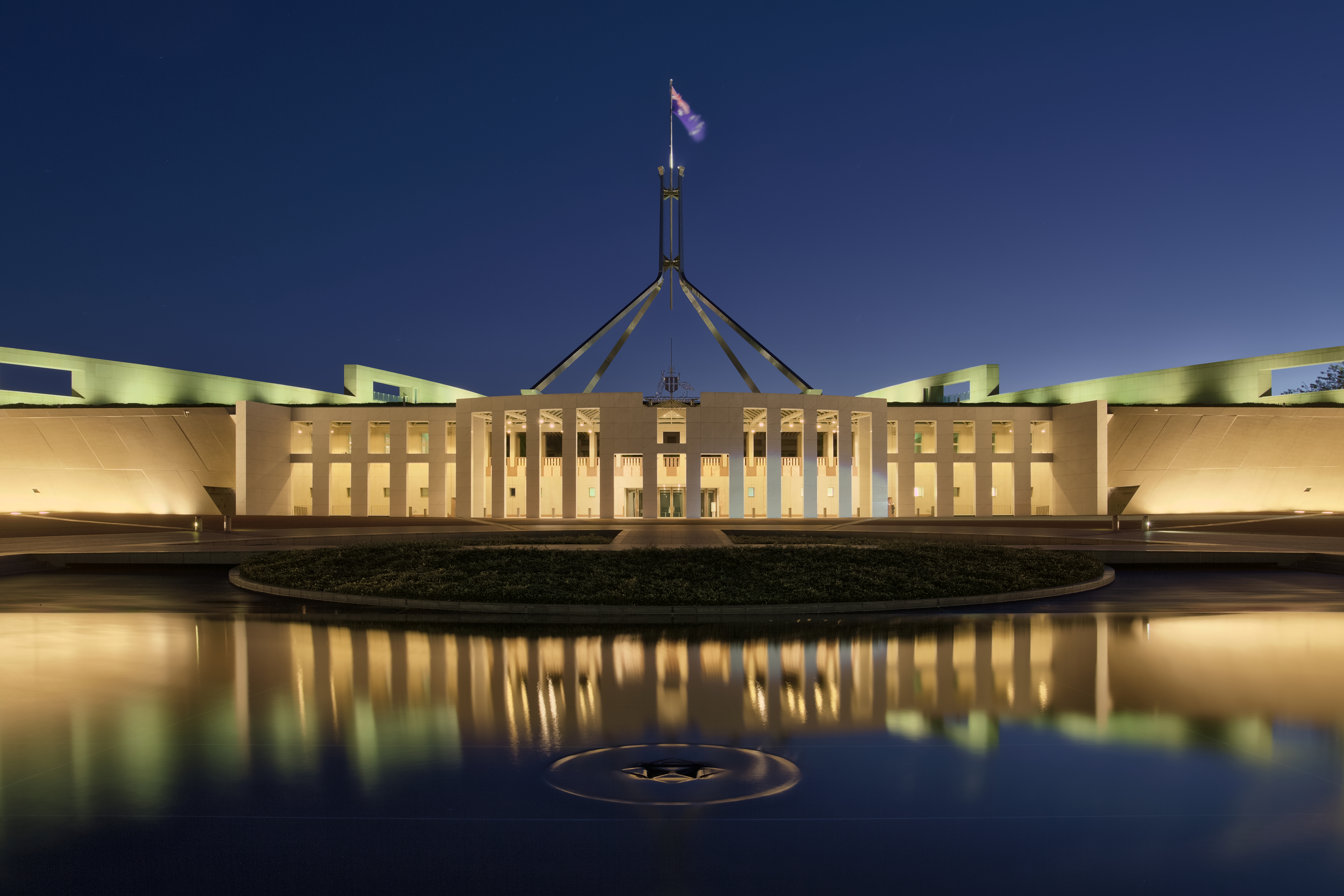
Mention Canberra to most Australians and they picture Parliament House, a public servant on a lunchtime walk around the lake, and not much else. It is a lazy shorthand. The national capital is built on government, true, but the modern Canberra economy is broader, more knowledge-driven and more resilient than the "just a public service town" label suggests. Here is a guide to the industries that actually keep the city running, whether you live here or are thinking of moving.
Government remains Canberra's economic bedrock. The territory's economy is dominated by services, which make up roughly three quarters of activity, and public administration is the single largest employer, accounting for more than 30 per cent of jobs when defence and safety are included. Federal departments, statutory authorities and parliamentary services sit alongside the ACT's own public sector. This concentration is part of why Canberra has tended to weather downturns that hit other cities harder, and why local incomes and education levels run above the national average. But government is increasingly the platform on which other industries are built, rather than the ceiling.
Defence is one of the most significant forces in the regional economy. The Department of Defence, Australian Defence Force headquarters functions, and a deep cluster of contractors and consultancies inject billions of dollars into the Canberra region each year and support many thousands of jobs directly and indirectly. ACT Government analysis has put the defence industry's contribution to the territory and surrounding region in the billions of dollars of gross state product and tens of thousands of jobs. That spending ripples out into construction, transport, retail and professional services, and anchors steady demand for engineers, analysts, project managers and trades.
Canberra punches far above its size as a knowledge city. It hosts several universities, including the Australian National University, the University of Canberra and UNSW Canberra, alongside national research institutions and think tanks. Organisations connected to the CSIRO, defence science, space and policy research give the city an unusually dense concentration of researchers. International education is a meaningful export earner in its own right, bringing overseas students and the spending that comes with them. For a city of its population, the research footprint is remarkable.
Government's appetite for secure, large-scale IT has seeded a genuine technology sector. Canberra positions itself as Australia's cyber security capital, and the reasoning is sound: national security agencies, defence buyers and a highly credentialled workforce sit side by side. Established software and hardware firms operate here, and a growing layer of local companies works in cloud, data, geospatial intelligence and digital government. For skilled workers, it is one of the more reliable tech job markets in the country.
Drive through Gungahlin, the inner north or the city centre and the cranes tell their own story. Construction is a substantial share of territory output, fuelled by population growth, urban renewal, light rail, and a steady pipeline of government and private projects. The sector supports a large trades workforce and feeds demand for engineering, planning and professional services. As Canberra densifies, building is likely to remain a major employer for years to come.
Tourism is quietly one of Canberra's biggest private-sector stories. The capital draws millions of visitors a year for its national institutions, festivals such as Floriade and Enlighten, sporting events and the surrounding wine and food districts. Recent VisitCanberra figures put annual visitor numbers in the millions and total visitor spending in the billions of dollars, supporting tens of thousands of hospitality, accommodation, arts and events jobs. The ACT continues to set ambitious targets to grow the visitor economy further this decade.
The practical takeaway is that Canberra offers more career paths than its reputation implies. Beyond the departments, there is real work in defence industry, research, technology, the trades and hospitality. That diversity is also the city's insurance policy: when one sector slows, others tend to hold. For anyone weighing a move, it is worth looking past the public service cliché and at the full picture.
About the author
The Daily Canberra
More in Business