NDIS and disability housing investment explained
Canberra investors are discovering a stable income stream through disability housing—but navigating NDIS funding rules and tenant selection requires careful planning.
3 min read
Canberra investors are discovering a stable income stream through disability housing—but navigating NDIS funding rules and tenant selection requires careful planning.
3 min read
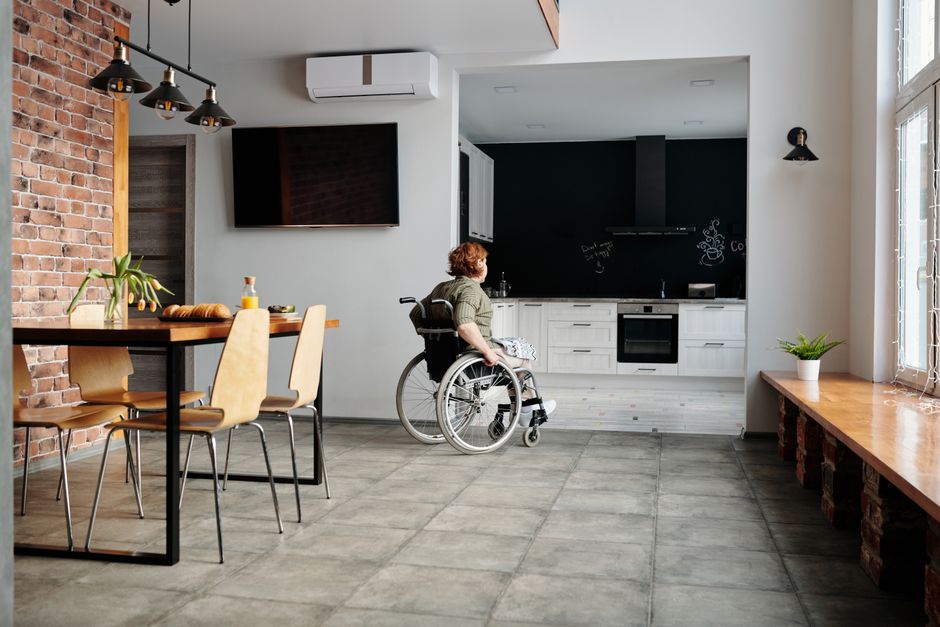
The National Disability Insurance Scheme has quietly reshaped Canberra's rental investment landscape. With the ACT median house price hovering near $835,000 and tight vacancy rates, savvy investors are turning to disability housing as a reliable alternative to traditional tenants—but the pathway isn't straightforward.
NDIS participants receive housing support packages that pay rental subsidies directly to landlords. In Canberra's growth corridors—particularly Gungahlin and Belconnen—where younger demographics cluster, demand for accessible, stable housing is climbing. Properties near services like the disability support facilities on Wattle Street in Lyneham or accessible transport hubs command premium rents when leased to NDIS participants.
Here's why investors are paying attention: NDIS rental income is typically predictable. The scheme underwrites payments through individualised plans; landlords aren't competing with every other rental property. A three-bedroom in Belconnen valued around $750,000 might achieve $380–420 per week through standard market rental, but an NDIS-aligned property can reach $420–480 weekly with fewer vacancy gaps.
However, the investment carries distinct conditions. Landlords must understand that NDIS participants aren't standard tenants. Many require accessible modifications—ramped entry, wider doorways, adapted bathrooms. These improvements cost money upfront but increase both tenant pool and long-term value. The ACT Government's disability services, including those clustered near Woden and Campbell, provide referral pathways, though investors shouldn't expect direct placement guarantees.
Legal obligations matter too. NDIS participants have the same tenant rights as others under ACT law, but their support coordinators and plan managers are often involved in lease negotiations. This means slower approval timelines and more stakeholders in dispute resolution. Rent increases must align with NDIS plan reviews, typically annual, so growth expectations should be modest.
Tax treatment is standard—rental income is assessable, deductions for maintenance and rates apply—but investors should clarify depreciation schedules with accountants, as accessibility modifications sometimes attract different treatment.
Canberra's low vacancy rate (under 2% in prime suburbs) makes NDIS housing attractive partly because it locks in tenants long-term. Properties near Tuggeranong's growing services sector or accessible to Canberra Hospital in Woden have demonstrated stronger retention.
The investment works best for patient capital: those targeting 5–10 year holds, comfortable with modest but stable yields, and willing to invest in accessibility from the outset. As NDIS reaches maturity post-2026, the disability housing market will likely tighten further. Early movers with properly configured properties may find themselves ahead of the curve.
This article was compiled by AI from the sources linked above and screened before publishing. See our editorial standards.
About this article
Published by The Daily Canberra
Spread the word
Daily brief
Free, in your inbox before 7am. Weekdays.
The Daily Network — local news across Australia