Community
Moving to Canberra in 2026: Everything You Need to Know Before You Arrive
A practical guide for newcomers — suburbs, schools, transport and the real cost of living in the ACT.
3 min read
Updated 3 h ago
Community
A practical guide for newcomers — suburbs, schools, transport and the real cost of living in the ACT.
3 min read
Updated 3 h ago
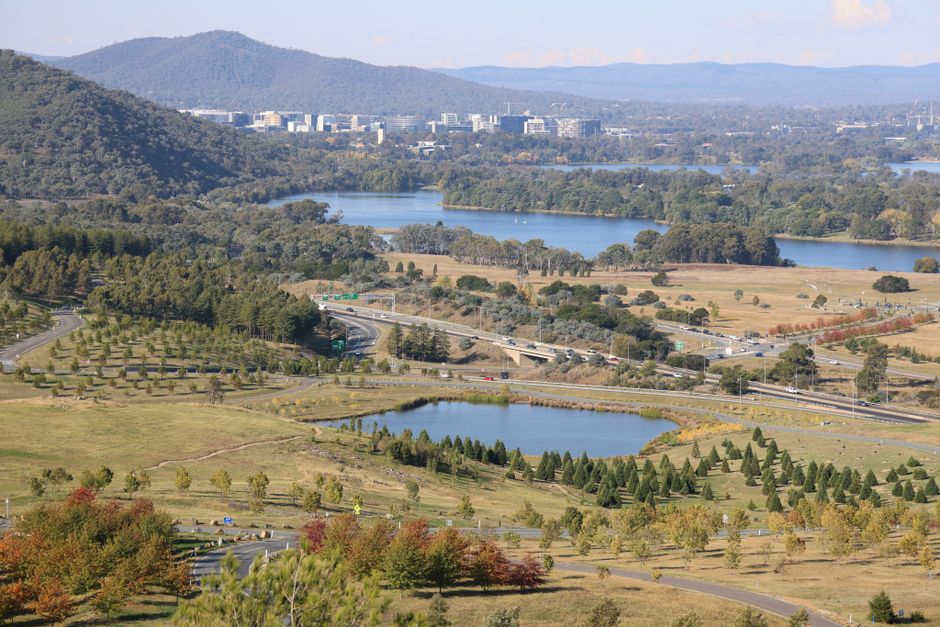
Canberra consistently ranks as one of Australia's most liveable cities, and the numbers bear it out: high median incomes, short commutes, excellent schools and access to nature within minutes of the city centre. But moving here still requires planning. This guide covers the practical decisions every newcomer needs to make.
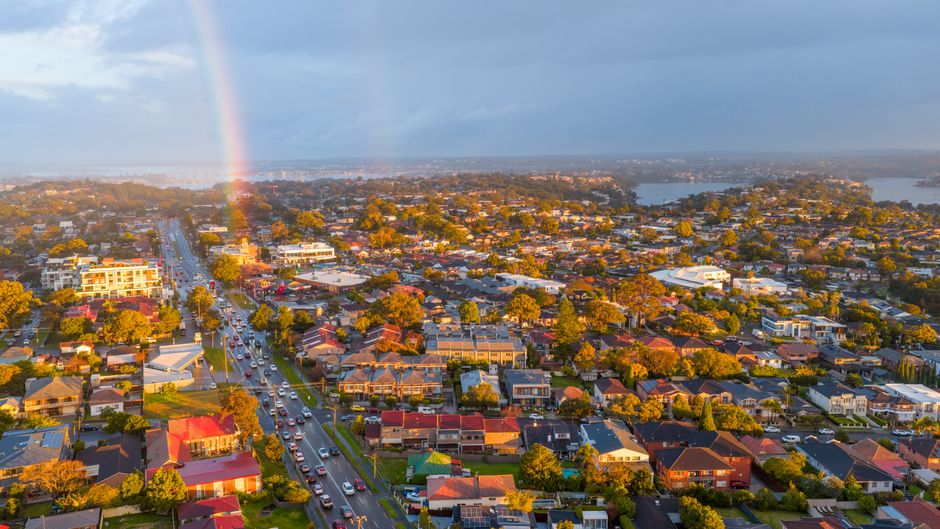
Canberra is divided into districts: Belconnen in the north, Tuggeranong in the south, Gungahlin in the north-east, Woden and Weston Creek in the south, and the Inner North and Inner South closest to the city. Each has a distinct character and price point.
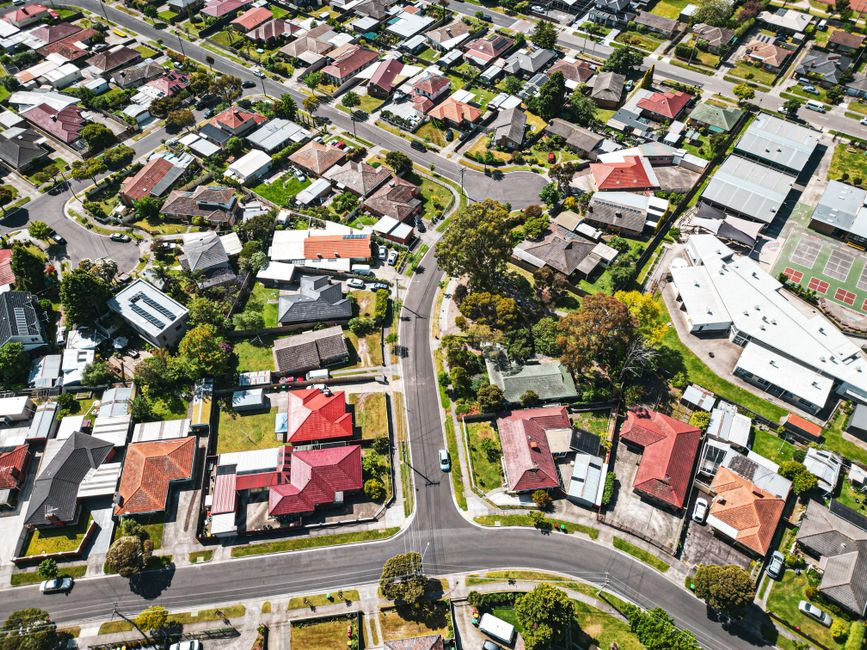
Families with children often prioritise school catchments, which are strictly zoned for government schools. Inner North suburbs like Dickson, Ainslie and Lyneham are popular with young professionals for their cafe strips and walkability. Belconnen and Gungahlin offer newer housing and better value per square metre.
Canberra is not cheap. Median house prices in the ACT sit well above the national average. Rentals are tight, with vacancy rates that have stayed low for several years. Groceries and utilities are comparable to other capital cities. The upside: ACT median household incomes are the highest in the country, which partly offsets the higher housing costs.
The ACT government school system has a strong reputation. Canberra is home to several high-performing selective and specialist schools, including Canberra Girls Grammar, Canberra Grammar, and the Radford College. Government high schools feed into senior secondary colleges at Year 11 and 12 — a distinctive feature of the ACT system.
Canberra was designed around the car, and most residents drive. The light rail line connecting Gungahlin to the city centre opened in 2019 and has been extended; buses serve the rest of the network. Cycling is popular and supported by an extensive off-road path network.
Canberra's economy is anchored by the federal public service, defence, and a growing technology and research sector. The Australian Public Service, defence agencies, CSIRO and the Australian National University are among the largest employers. Private sector employment has grown in recent years but remains heavily government-adjacent.
Once you arrive, enrolling with a local GP early is important — practices fill up. Council rates are managed through the ACT Revenue Office. For public school enrolment, contact the relevant school or the ACT Education Directorate directly.
This article was compiled by AI from the sources linked above and screened before publishing. See our editorial standards.
About this article
Published by The Daily Canberra
Spread the word
Daily brief
Free, in your inbox before 7am. Weekdays.
The Daily Network — local news across Australia