Community
Canberra history and heritage: from Ngunnawal country to the nation's capital
How Australia built a capital city from scratch — and what it means 110 years later.
2 min read
Updated 2 h ago
Community
How Australia built a capital city from scratch — and what it means 110 years later.
2 min read
Updated 2 h ago

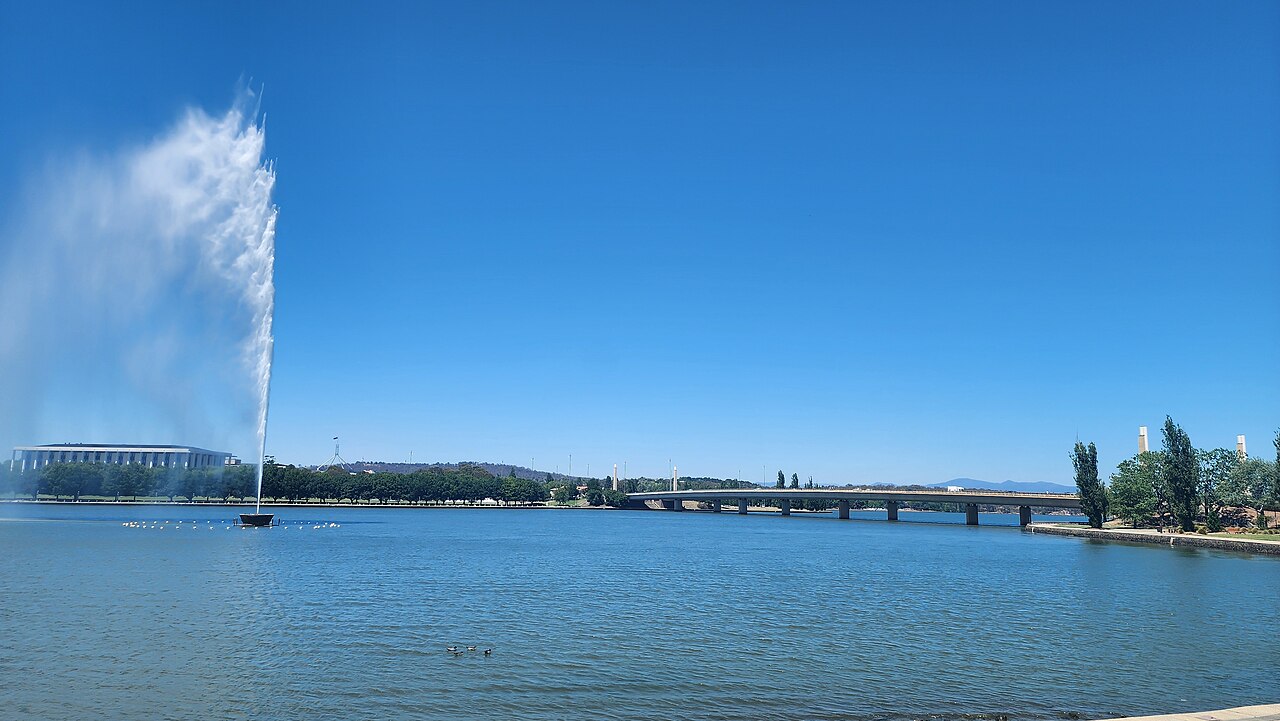
Canberra's history is one of the most intentional in Australia — the decision to locate the federal capital in the territory between Sydney and Melbourne, the Burley Griffin design competition of 1911, and the century-long construction of a planned city on Ngunnawal and Ngambri country creates a heritage story that is simultaneously about architecture, politics, and the contested nature of nationhood.
Old Parliament House and the Museum of Australian Democracy — the 1927 provisional parliament building on King George Terrace served as Australia's parliament for 61 years (until the new parliament opened in 1988) and now houses the Museum of Australian Democracy, where the Senate and House chambers, the parliamentary offices, and the exhibition on Australian democratic development create the most accessible account of how Australia's federal system works.
National Archives of Australia — Records Search — the National Archives holds the physical records of Australian government and national life, including the original 1901 federation documents, the WWII cabinet records, and the prime ministerial files that are progressively released under the 20-year access rule. The reading rooms are open to researchers and the online discovery system provides access to digitised records.
Lanyon Homestead — the 1835 homestead south of Tharwa preserves the earliest European pastoral settlement on the Murrumbidgee, with the heritage wool shed, the convict-built stone outbuildings, and the Nolan Gallery (Sidney Nolan Ned Kelly paintings) creating a complete colonial pastoral heritage experience within 45 minutes of the Canberra CBD.
Australian War Memorial — the AWM is simultaneously Australia's most significant heritage building (1941, Byzantine-influenced design by Emil Sodersten) and the most emotionally powerful memorial space in the country. The Roll of Honour, the Last Post Ceremony, and the Eternal Flame create the ritual of remembrance that the AWM conducts with more genuine ceremony than any comparable institution in Australia.
This article was compiled by AI from the sources linked above and screened before publishing. See our editorial standards.
About this article
Published by The Daily Canberra
Spread the word
Daily brief
Free, in your inbox before 7am. Weekdays.
The Daily Network — local news across Australia